Ginza And Asakusa Restaurants: Polished Counters And Old-Tokyo Favourites
Ginza and Asakusa sit at opposite ends of Tokyo's dining spectrum. Here is what the records show for sixteen restaurants across the two wards.
Short answer
Sixteen restaurants make up this page, and six of the seven Ginza entries carry the booking recommended label; the lone exception is a walk-in katsudon counter. Asakusa is the opposite: seven of its nine entries are usually walk-in and five are inexpensive. Ratings run from 4.4 to 4.9 on Google.
Ginza and Asakusa answer the same question in opposite ways: where should you eat tonight. Ginza, in Chuo ward, holds seven of our 100 picks, and six of them carry a booking recommended label, meaning the Food List flags them as places where a reservation improves your odds. The seventh, a katsudon counter, is usually walk-in. Asakusa, in Taito ward, adds nine more, and seven of those are usually walk-in. The contrast between the two is sharp, and it shapes everything from budget to timing.
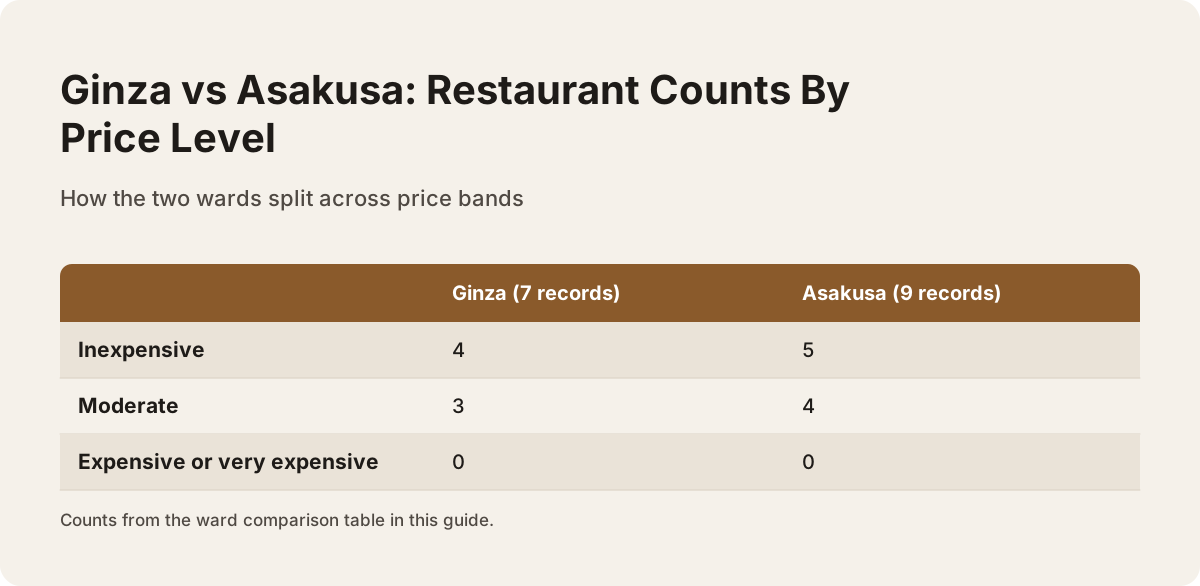
The price gap is just as wide. Ginza's seven records split four inexpensive and three moderate, while Asakusa runs five inexpensive against four moderate, anchored by entries like Age.3 ASAKUSA at 4.8 on Google across 4,352 reviews and Ichiryu at 4.8 across 4,092. Ratings across both wards sit at the top of Google's scale, so the choice is less about quality and more about how you like to eat: planned counters in Ginza, or drifting between walk-in shops in Asakusa. Our own guide, The Tokyo Food List, holds all 980+ Tokyo restaurants with booking links and reservation difficulty, which is the fastest way to see this split ward by ward on a phone. And if one night calls for a bigger budget, our guide to Michelin-starred Tokyo restaurants you can actually book sorts the reachable splurges from the impossible reservations.
What Makes Ginza And Asakusa Restaurants So Different?
Ginza leans reservation-first and Asakusa leans walk-in. Six of the seven Ginza records carry a booking recommended label, while seven of the nine Asakusa records are labelled usually walk-in. Ginza splits four inexpensive and three moderate on price level; Asakusa runs five inexpensive and four moderate. The two wards reward different planning styles, and mixing them in one evening rarely works.
The booking label comes from the Food List and reflects what Google listings show about each venue. In Ginza that means NOA CAFE Ginza, Kushikatsu Tanaka Higashi-Ginza Store, Rare Tendon Ginza Mitsuyoshi Ginza Honten and the three Fukumimi yakitori branches: all six want a booking. The seventh Ginza entry, the katsudon counter #カツ丼は人を幸せにする 銀座店, is the exception and is usually walk-in. In Asakusa only Wagyu steak and IZUMO Asakusa Yokocho carry the booking recommended label. Everything else, from the tempura shop Tencha to the izakaya Sakaba Totoya, is flagged as usually walk-in.
Crowd labels tell a second story. Ginza's records are almost all mixed-crowd venues, with Rare Tendon Ginza Mitsuyoshi flagged as tending to draw locals. Asakusa is more varied: Tencha and Danki Tonkatsu lean local, while HALAL WAGYU RAMEN SHINJUKU-TEI Asakusa Tokyo and Honolu's Wagyu Udon & Ramen Halal Asakusa lean towards visitors, which tracks with their position beside the temple streets. For a fuller cross-city view, the best ramen in Tokyo guide places Ichiryu among fifteen ramen records citywide.
Which Ginza Restaurants Should You Book Ahead?
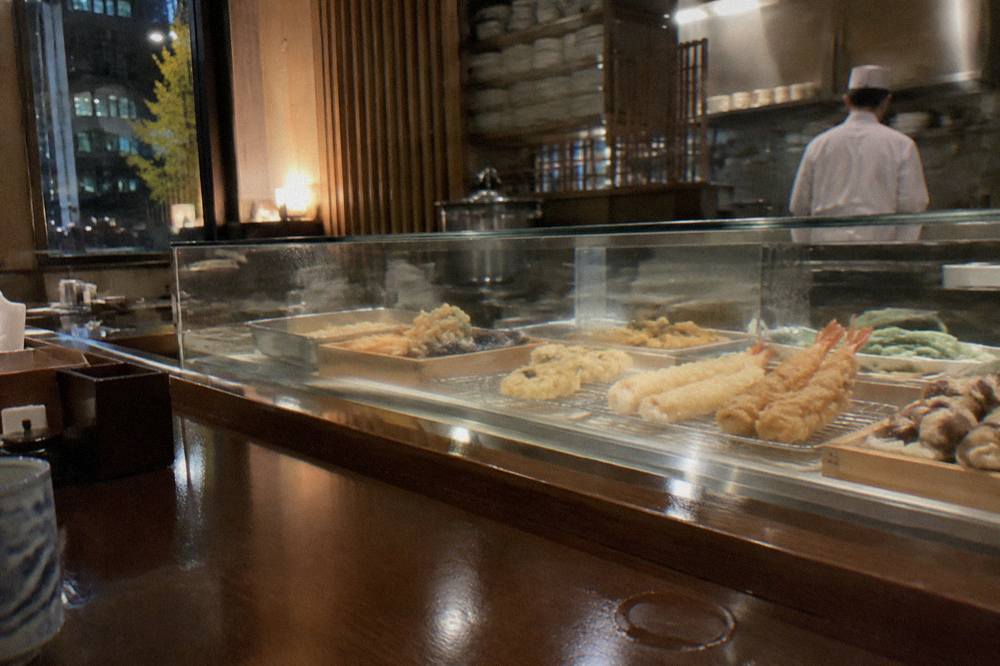
Start with the yakitori. Fukumimi Ginza 1 rates 4.9 on Google across 1,865 reviews and is inexpensive, and the two related Fukumimi branches in the district also carry strong Google ratings. All three hold the booking recommended label, as does every other restaurant in this section except one katsudon counter that is usually walk-in. The ward rewards a plan.
Three branches of the same Fukumimi family give you a spread of price levels. Fukumimi Ginza 1 is the inexpensive option, with order tags pointing to potato salad, chub mackerel and fried onion. Bistro Fukumimi Ginza COREDO Shop is moderate, serving skewers, fried onion and chicken porridge, and Kushiyaki Bistro Fukumimi Ginza covers similar ground with pork belly on the tag list. None of these is a splurge; the booking label is about seats, not price. To eat your way through the city area by area, The Tokyo Food List is made to open on a phone and pick by neighborhood.
For something other than skewers, Kushikatsu Tanaka Higashi-Ginza Store rates 4.8 on Google across 4,494 reviews, inexpensive, with takoyaki and kushikatsu as the order tags. NOA CAFE Ginza covers breakfast and sweets at 4.5 across 3,668 reviews, inexpensive, with waffles, egg sandwich and tiramisu waffle listed; the restaurant's own page is at NOA CAFE. Rare Tendon Ginza Mitsuyoshi Ginza Honten is the ward's tempura entry, 4.4 across 648 reviews, moderate, with a rare tempura bowl and tendon as order tags, and the Food List labels it as tending to draw locals.
| Restaurant | Google rating | Reviews | Price level | Booking label |
|---|---|---|---|---|
| Fukumimi Ginza 1 | 4.9 | 1,865 | inexpensive | booking recommended |
| Kushikatsu Tanaka Higashi-Ginza Store | 4.8 | 4,494 | inexpensive | booking recommended |
| Bistro Fukumimi Ginza COREDO Shop | 4.8 | 2,140 | moderate | booking recommended |
| Kushiyaki Bistro Fukumimi Ginza | 4.5 | 2,856 | moderate | booking recommended |
| NOA CAFE Ginza | 4.5 | 3,668 | inexpensive | booking recommended |
| Rare Tendon Ginza Mitsuyoshi Ginza Honten | 4.4 | 648 | moderate | booking recommended |
Which Asakusa Restaurants Are Best For Walking In?
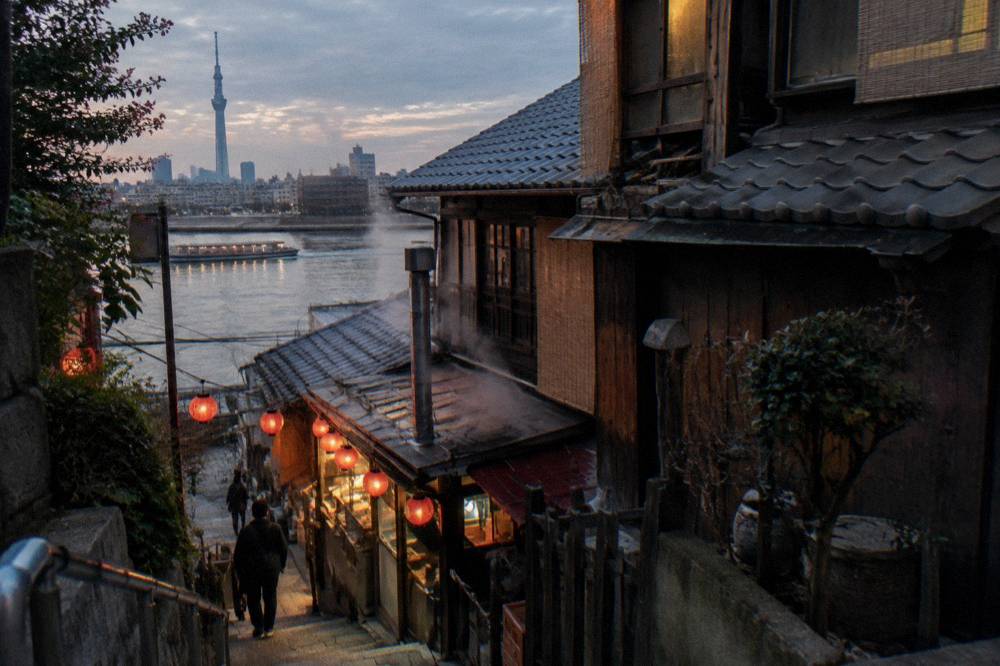
Seven of Asakusa's nine records are labelled usually walk-in, so the ward suits unplanned eating. Age.3 ASAKUSA rates 4.8 on Google across 4,352 reviews for sandwiches and creme brulee, Sakaba Totoya rates 4.7 across 3,964 for izakaya dishes, and Ichiryu rates 4.8 across 4,092 for wagyu ramen. Only two Asakusa entries want a booking.
The walk-in list covers five different cuisines. Age.3 ASAKUSA is the dessert stop, inexpensive, with a fried sandwich on the order tags. Sakaba Totoya is a moderate izakaya with mentaiko, aji fry and beef tendon stew. Ichiryu is a moderate ramen shop whose tags list beef bone broth, wagyu ramen and tantanmen; the shop's own page is at 1dragon.jp. Tencha, 4.8 across 436 reviews, inexpensive, serves kakiage and a tendon mabushi gozen, with shiba shrimp on the tag list, and the Asakusa tempura shop's own site lists its menu. Danki Tonkatsu, 4.7 across 626 reviews, moderate, rounds it out with menchi-katsu and pork loin, and the Food List labels it as tending to draw locals.
Two halal-friendly entries stand out in the walk-in group. HALAL WAGYU RAMEN SHINJUKU-TEI Asakusa Tokyo rates 4.8 across 3,457 reviews, inexpensive, with wagyu and chicken ramen on the tags; the name signals halal wagyu ramen as the listing presents it, and diners with requirements should confirm details with the restaurant directly. Honolu's Wagyu Udon & Ramen Halal Asakusa rates 4.9 across 1,555 reviews, also inexpensive, with chicken ramen, gyoza and spicy fried chicken ramen listed. The dedicated vegetarian, vegan and halal Tokyo guide covers how to read these listings properly.
A few patterns make the choice easier. Every walk-in entry rates 4.7 or better, and four of the seven sit in the inexpensive band, so a high-rated meal does not require the moderate price tier. Honolu's holds the group's highest rating at 4.9, while Age.3 ASAKUSA carries its largest review count at 4,352; Tencha's 436 is the smallest, which matters to readers who weigh volume of feedback. For a fuller picture of what dining out typically costs across the city, the guide to Tokyo restaurant meal prices covers every tier from budget lunches to higher-end dinners.
For an unplanned evening, the spread works as a sequence rather than a single pick. Start savory with mentaiko, aji fry and beef tendon stew at Sakaba Totoya, or menchi-katsu and pork loin at Danki Tonkatsu, then finish sweet at Age.3 ASAKUSA with the fried sandwich or creme brulee. Ramen fans get three directions: Ichiryu's wagyu ramen and tantanmen, or the chicken-based bowls at the two halal-friendly shops.
Mixed groups benefit most. Tempura fans have Tencha's kakiage and tendon mabushi gozen, izakaya eaters have Sakaba Totoya, and fried-pork loyalists have Danki Tonkatsu, so splitting up costs nothing in planning. Diners with halal needs get a built-in backup: both halal entries are inexpensive and list chicken ramen, giving a same-category option if one is full.
| Restaurant | Google rating | Reviews | Price level | Booking label |
|---|---|---|---|---|
| Age.3 ASAKUSA | 4.8 | 4,352 | inexpensive | usually walk-in |
| Ichiryu | 4.8 | 4,092 | moderate | usually walk-in |
| HALAL WAGYU RAMEN SHINJUKU-TEI Asakusa Tokyo | 4.8 | 3,457 | inexpensive | usually walk-in |
| Sakaba Totoya | 4.7 | 3,964 | moderate | usually walk-in |
| Danki Tonkatsu | 4.7 | 626 | moderate | usually walk-in |
| Honolu's Wagyu Udon & Ramen Halal Asakusa | 4.9 | 1,555 | inexpensive | usually walk-in |
| Tencha | 4.8 | 436 | inexpensive | usually walk-in |
How Do The Two Wards Compare On Price And Booking?
Across the sixteen records, Ginza holds seven entries, four inexpensive and three moderate, with one walk-in among them, a katsudon counter. Asakusa holds nine, five inexpensive and four moderate, and seven of the nine are walk-ins. Neither ward holds an expensive record, so this is a mid-market comparison rather than a splurge comparison.
The side-by-side below covers the sixteen restaurants named in this guide. It is a small sample, one ward each, but the pattern matches the wider spread across our 100 picks: wards built around shopping and nightlife skew towards bookings, while old-town tourist wards lean towards walk-in counters and street-facing shops.
| Measure | Ginza (7 records) | Asakusa (9 records) |
|---|---|---|
| Inexpensive | 4 | 5 |
| Moderate | 3 | 4 |
| Expensive or very expensive | 0 | 0 |
| Usually walk-in | 1 | 7 |
| Booking recommended | 6 | 2 |
| Booking usually required | 0 | 0 |
| Highest Google rating | 4.9 (Fukumimi Ginza 1 and #カツ丼は人を幸せにする 銀座店) | 4.9 (Honolu's Wagyu Udon & Ramen) |
| Largest review pool | 4,494 (Kushikatsu Tanaka) | 4,352 (Age.3 ASAKUSA) |
Ginza vs Asakusa: Restaurant Counts By Price Level
When Should You Eat In Each Ward?
Timing matters more in Ginza than in Asakusa, because booked counters run to a schedule. Tokyo restaurants typically close between lunch and dinner service, take last orders before closing and often close on Sundays, Mondays or national holidays. Asakusa's walk-in shops absorb timing mistakes better, though the busiest afternoon hours still queue. Plan Ginza around a reservation and Asakusa around the gaps. If you want a third neighborhood where evening timing is easier, our guide to Shibuya restaurants worth your evening covers everything from standing bars to counters you can book ahead.
The closing pattern above is a typically, not a rule: it describes what many Tokyo restaurants do, and individual venues vary. What it means practically is that a 3pm arrival in Ginza can find every record on this page between services. Asakusa is more forgiving, but the temple streets themselves are busiest through the middle of the day, and the walk-in shops nearest them fill accordingly. Other pages covering the same trip are gathered on Best Restaurants Tokyo.
Lunch is the value play in both wards. For example, lunch at a sushi counter typically costs a fraction of the same counter's dinner, one Ginza illustration running about 9,000 at lunch against about 20,000 at dinner. None of the sixteen records here is a sushi counter, but the mechanic holds: the inexpensive entries in each ward, from NOA CAFE's waffles to Age.3's sandwiches, are built around daytime trade. The cheap eats in Tokyo guide extends this logic citywide.
What Should You Order In Asakusa Restaurants?
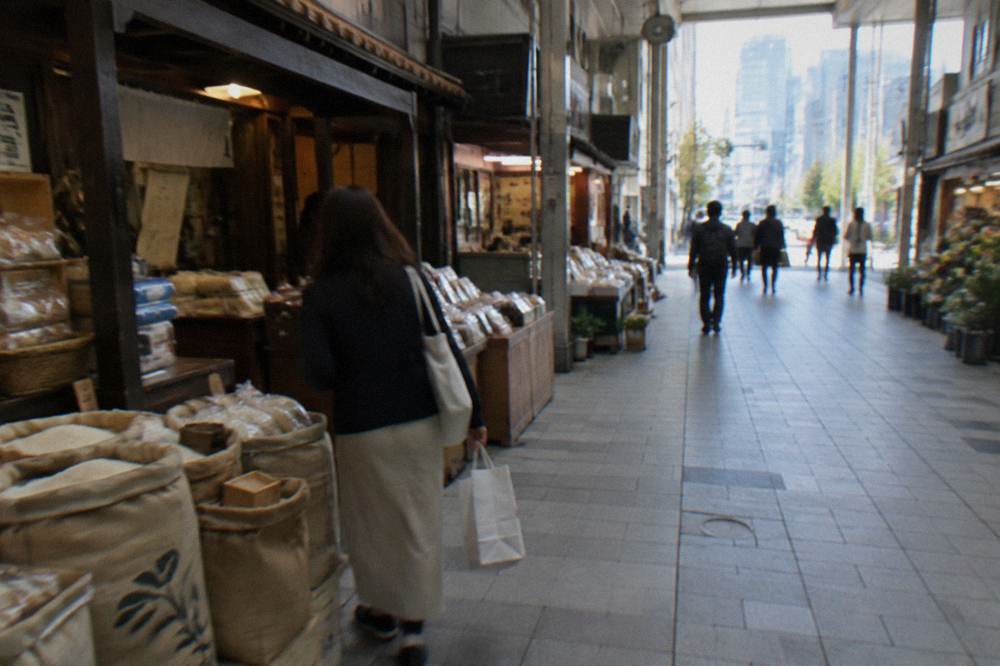
Follow the order tags: kakiage and tendon mabushi gozen at Tencha, menchi-katsu at Danki Tonkatsu, wagyu ramen and tantanmen at Ichiryu, chicken ramen and gyoza at Honolu's, and creme brulee plus a fried sandwich at Age.3 ASAKUSA. These tags come from each restaurant's listing, and they are the dishes the listings themselves foreground.
Asakusa's strength is density. Within a short walk you can cover tempura, tonkatsu, ramen, udon, izakaya snacks and dessert without a single booking. A realistic unplanned afternoon: Tencha for kakiage, Danki Tonkatsu for a menchi-katsu, Sakaba Totoya for aji fry and beef tendon stew with a drink, and Age.3 to finish. Two stops, Ichiryu and HALAL WAGYU RAMEN SHINJUKU-TEI, serve ramen built on wagyu, one moderate and one inexpensive, so a bowl of wagyu ramen is available at either price level.
The two booking-recommended Asakusa entries change the rhythm rather than the budget. Wagyu steak, 4.8 across 4,114 reviews, moderate, lists a steak rice bowl and a juicy burger alongside mochi ice cream. IZUMO Asakusa Yokocho, 4.8 across 2,897 reviews, inexpensive, lists deopbap, an eel rice bowl and gyeran-mari, a Korean-influenced set that reflects Asakusa's growing yokocho food halls. If you want a table at either, the booking question is answered in The Tokyo Food List, which prints reservation difficulty and booking links for every entry.
Should You Take A Food Tour In Either Ward?
A tour makes sense when you want several stops explained without managing bookings yourself. In Asakusa, a sushi making class runs from $44.93 per person with a 4.94 rating across 206 reviews, and a Tsukiji market walk with five tastings runs from $97.17 per person at 4.9 across 3,868 reviews. Both include a meal, and both carry free cancellation.
The Asakusa sushi class is the cheapest listing on this site's roster and joint shortest at 1 hour 30 minutes, level with the Shibuya ramen class, with drinks included. It suits travellers who want a kitchen experience rather than a crawl, and its 4.94 rating from 206 reviews is a small pool by this page's standards, so read it as a strong score from a modest number of guests rather than a mass verdict. Group size is not stated on the listing. As a companion to Asakusa's walk-in shops, it slots neatly into an afternoon.
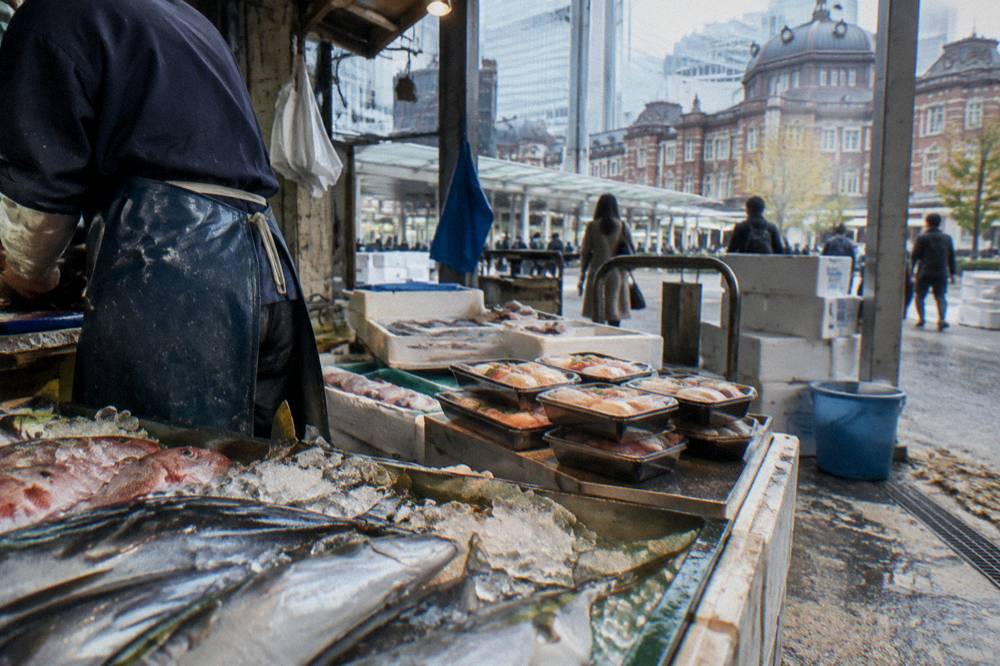
The Tsukiji walk is a different product: 3 hours, up to 20 travellers, five tastings and a meal, street-food format. Tsukiji's outer market is near Ginza rather than Asakusa, which makes the two tours a natural pair, one for each end of this guide's geography. Guest reviews on the live listing repeatedly praise the range of stalls covered in three hours. For a sense of what the market area offers beyond tours, the Ginza and Asakusa records in our full guide sit inside a wider what-to-eat roundup.
The class above is the article's featured tour because it matches Asakusa's character: inexpensive, unhurried and walk-in-adjacent. Booking it does not replace dinner at Sakaba Totoya or a bowl at Ichiryu, it fills the gap before them.
How Do You Plan A Day Across Both Wards?
Do Asakusa by day and Ginza by night. Asakusa's walk-in shops peak in usefulness through late morning and afternoon, when no booking is needed, and Ginza's booking-recommended counters come alive in the evening. The two wards sit roughly twenty minutes apart by rail, so the handoff is easy if you respect the service gap between lunch and dinner.
A workable shape: morning coffee and waffles at NOA CAFE is out, that is Ginza, so start in Asakusa instead with Age.3's sandwiches, walk the temple streets, eat kakiage at Tencha or a bowl at Ichiryu when hunger returns, and finish with dessert before heading to Ginza for a booked 7pm counter at a Fukumimi branch or Kushikatsu Tanaka. The mistake to avoid is the reverse: most of Ginza's records, six of seven, carry the booking recommended label, and arriving at 6pm without one leaves you with few options, save the katsudon counter marked as usually walk-in.
Bookings in Tokyo have their own mechanics, from per-person platform fees to cancellation windows that tighten to same-day. The how to make reservations in Japan post walks through the systems in plain terms, and it matters most for exactly the kind of Ginza entries on this page, where six of the seven records carry the booking recommended label.
Which Ward Suits Your Trip Better?
Choose Ginza if you want polished counters, yakitori variety and one simple booking rule: all seven records are moderate or inexpensive, and six of the seven want reservations. Choose Asakusa if you want to eat without planning: seven of nine records are walk-in, five are inexpensive, and the cuisines range from tempura to halal wagyu ramen. Many travellers do both, one per day or half-day.
Ginza's compactness is underrated. Three Fukumimi branches, a kushikatsu chain store, a tempura bowl specialist, a breakfast cafe and the usually walk-in katsudon counter #カツ丼は人を幸せにする 銀座店 sit inside a walkable district, seven records in total, so one booking anchors an evening and the others are fallbacks. Rare Tendon Ginza Mitsuyoshi is the local-leaning pick, and its smaller review pool on Google cuts both ways: fewer crowds, less data.
Asakusa is the ward for diets and constraints. Two halal-signalled ramen and udon shops, an inexpensive dessert stop and a tempura shop all in the walk-in column mean a group with mixed needs can eat well without splitting up. Tencha's 4.8 across 436 reviews is another small pool, but its tendon mabushi gozen is a distinctive order tag you will not find in Ginza's set. Both wards hold their ratings well: the lowest figure anywhere on this page is 4.4.
For everything beyond these sixteen, The Tokyo Food List holds the full 980+ Tokyo restaurants with Google Maps pins, what to order, price ranges and reservation difficulty, made to open on a phone and pick by neighbourhood. Our 100 picks, these sixteen among them, each have a Google rating of 4.2 or higher and at least 300 reviews.
Common Questions About Ginza And Asakusa Restaurants
Do Ginza restaurants require reservations?
Six of the seven Ginza records on this page carry a booking recommended label; the katsudon counter is usually walk-in. Even the label is not a requirement. It means the Food List, reading Google listings, flags a reservation as the safer route.
Can you eat in Asakusa without booking?
Yes, usually. Seven of the nine Asakusa records here are labelled usually walk-in, including Tencha, Ichiryu, Sakaba Totoya, Danki Tonkatsu, Age.3 ASAKUSA and both halal-signalled ramen and udon shops. Only Wagyu steak and IZUMO Asakusa Yokocho recommend booking.
Is Ginza or Asakusa cheaper?
On this page's records, Asakusa is cheaper overall: five of its nine entries are inexpensive against four of seven in Ginza, and no entry in either ward is expensive. The real difference is booking effort, not price, since Ginza is reservation-first and Asakusa is walk-in-first.
What is the best-rated restaurant in Ginza on this list?
Fukumimi Ginza 1, at 4.9 on Google across 1,865 reviews, inexpensive, with potato salad, chub mackerel and fried onion as its order tags. The katsudon counter #カツ丼は人を幸せにする 銀座店 ties it at 4.9 with a smaller review pool. Kushiyaki Bistro Fukumimi and Bistro Fukumimi Ginza COREDO Shop cover similar skewer menus at 4.5 and 4.8 respectively.
Are there halal options in Asakusa?
Two Asakusa listings carry halal in their names: HALAL WAGYU RAMEN SHINJUKU-TEI Asakusa Tokyo at 4.8 across 3,457 reviews and Honolu's Wagyu Udon & Ramen Halal Asakusa at 4.9 across 1,555 reviews. Both are inexpensive walk-ins. Confirm certification and preparation details with each restaurant directly.
Can you combine Ginza and Asakusa in one day?
Yes, and it is a natural pairing: Asakusa for walk-in lunches and snacks by day, Ginza for a booked evening counter. The two wards sit around twenty minutes apart by rail, and Tokyo restaurants typically close between lunch and dinner service, so build in the afternoon gap.