Vegetarian, Vegan, Halal And Gluten-Free Eating In Tokyo: What Is Realistic
Tokyo can feed vegetarians, vegans, halal diners and gluten-free travellers, but not the way the glossy lists suggest. Here is what the listing data actually supports, where the hidden fish stock hides, and what to confirm with every restaurant.
Short answer
Halal eaters have the strongest named options: seven halal-branded ramen and wagyu restaurants in the curated set, most inexpensive and walk-in. Vegans can point to a vegan tantanmen at Jikasei MENSHO. Vegetarian and gluten-free eating is harder, because dashi fish stock and wheat appear almost everywhere, so confirm ingredients directly.
Tokyo has a reputation for being difficult for diners with restrictions, and the reputation is partly fair. The single biggest obstacle is not a shortage of vegetables: it is dashi, the broth base used across Japanese cooking, which is typically made from bonito or sardine stock even when no fish appears on the plate. Verified dining research for this site notes that many seemingly vegetarian dishes use dashi, so strict vegetarians, vegans and halal diners face real difficulty outside dedicated restaurants. The good news is narrower but genuine: the restaurant list behindBest Restaurants Tokyo includes seven restaurants with halal in their names and one Shibuya ramen shop whose listing shows a vegan tantanmen, and our own guide, The Tokyo Food List, carries reservation details and what-to-order notes so you can check each one before committing.
The Dashi Problem: Why Vegetarian Eating In Tokyo Is Harder Than It Looks
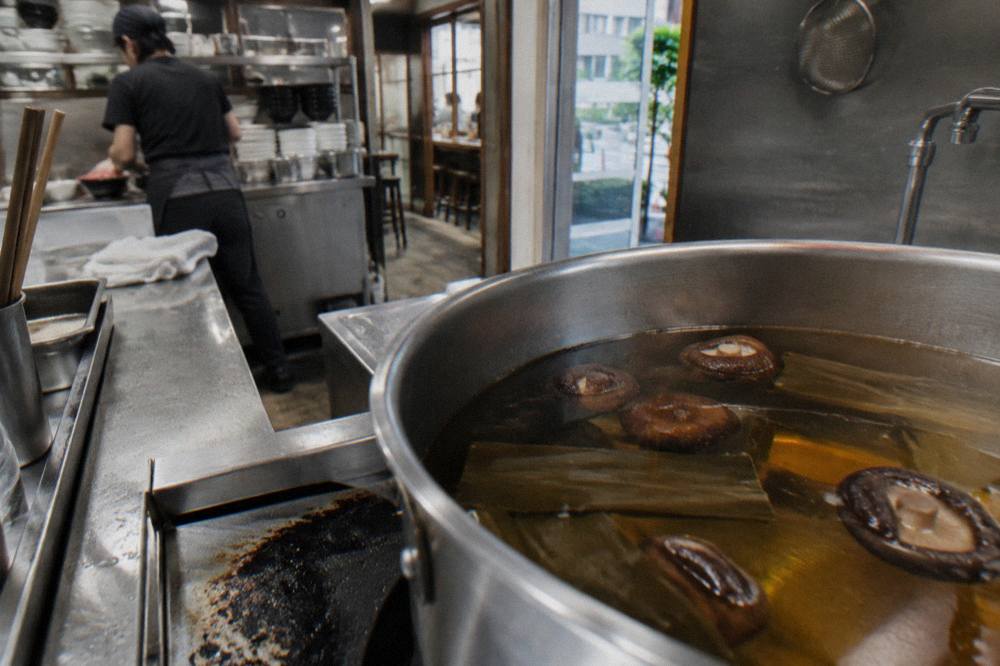
The core obstacle for vegetarians and vegans in Tokyo is dashi, the fish-based stock that typically sits in soups, sauces and simmered dishes even when a plate looks entirely plant-based. Bonito and sardine stocks are the defaults, so a dish with no visible meat or fish can still fail a strict vegetarian diet. This is why counting vegetables on a menu tells you almost nothing, and why confirming the broth matters more than anything else.
A bowl of miso soup is the classic trap. Tofu and seaweed look vegetarian, but the broth is usually katsuobushi, dried bonito flakes simmered into the stock. The same logic runs through noodle soups, ramen broths, simmered vegetable dishes and many sauces. Japan's tourism agency recognised the scale of this problem: its guide for restaurants welcoming vegetarian, vegan and Muslim travellers explicitly tells cooks not to use bonito stock even when fish is not served directly, a point reported by Unseen Japan. Tokyo's own official vegetarian and vegan restaurant guide similarly distinguishes broth and seasoning ingredients, not just what is visible on the plate. To eat well without overspending, The Tokyo Food List lists price ranges so you can see what a meal will cost before you commit.
That official distinction is the practical takeaway. A restaurant advertising a vegetable tempura set is not automatically answering the question you need answered, which is what the dipping sauce and the simmering stock are made from. Dedicated vegetarian and vegan restaurants solve this by building broths from kombu seaweed, shiitake or soy, but they are a small share of the market and you generally have to seek them out by name rather than stumble on them.
For planning, treat "vegetarian-friendly" as a claim to test, not a fact. The restaurant records in the Food List help with the price and booking side of that test: Jikasei MENSHO in Shibuya, the one ramen record whose order tags include a vegan tantanmen, is inexpensive on the Food List's price bands and usually walk-in. That combination, low price and no booking needed, makes it a low-risk place to try a plant-based bowl and ask the counter how the broth is built.
There is also a cultural context worth knowing. Washoku, the traditional Japanese meal structure, is built on ichiju-sansai, one soup and three sides plus rice, with seasonal balance at its centre, as Tokyo's official tourism gourmet pages describe. That structure prizes balance rather than exclusion, which is why the cuisine layers fish stock into so many components. It is not hostility to vegetarians; it is a different default.
| Dietary situation | What is realistic in Tokyo | The main trap |
|---|---|---|
| Strict vegan | Workable at dedicated vegan restaurants and at Jikasei MENSHO's vegan tantanmen, typically | Bonito or sardine dashi in soups, sauces and simmered dishes |
| Vegetarian (fish stock acceptable) | Broad choice, most teishoku sets and soba shops qualify | Asking the wrong question: fish is in the broth, not the plate |
| Halal | Strongest named options: seven halal-branded restaurants in the curated set | Alcohol in sauces and mirin in glazes at non-halal venues |
| Gluten-free | Hardest of the four: soy sauce is wheat-based and everywhere | Teriyaki, ramen noodles, tempura batter and cross-contact at counters |
Which Halal Restaurants Can You Actually Find In Tokyo?
The curated restaurant set behind this site holds seven restaurants with halal in their names: four ramen shops, one udon and ramen shop, and two wagyu restaurants. All seven are inexpensive (five) or moderate (two), four are usually walk-in and three are booking recommended rather than booking usually required, and all carry Google ratings of 4.8 or higher. A halal name is only a signal, so confirm certification and ingredients with each restaurant directly.
Halal is the dietary category where Tokyo's named options are most concrete, because several restaurants put the word in their names. Shinjuku-tei Yotsuya Halal Wagyu Ramen in Shinjuku ward holds 4.9 on Google across 3,552 reviews, is inexpensive, and carries a booking recommended label; its order tags list chicken karaage, spicy miso ramen and wagyu. The same group runs branches in Asakusa, 4.8 across 3,457 reviews and usually walk-in, and in Shibuya, 4.8 across 3,400 reviews with booking recommended. Each lists wagyu and chicken ramen among its order tags, and the Asakusa branch's own site is at halal-shinjukutei.com.
Two further halal-named ramen records sit outside that group. UMAIR HALAL WAGYU RAMEN UENO-PARKTOKYO in Bunkyo ward near Ueno holds a perfect 5.0 on Google across 486 reviews, is inexpensive, usually walk-in and tends to draw a local crowd, with fried chicken and chicken ramen among its order tags. Honolu's Wagyu Udon & Ramen Halal in Asakusa, 4.9 across 1,555 reviews and usually walk-in, lists chicken ramen, gyoza and spicy fried chicken ramen.
The two wagyu entries show that halal dining in Tokyo is not only noodles. Halal Wagyu Yakiniku Panga in Taito ward holds 4.8 on Google across 4,132 reviews, is moderate on the price bands, and carries booking recommended; its order tags include wagyu, juicy meat and sirloin steak, and the restaurant's own site is at wagyu-panga.jp. Wagyu Halal Japanese Food Shinjuku Restaurant, 4.8 across 3,896 reviews and usually walk-in, lists wagyu alongside a cheeseburger and mochi ice cream.
| Restaurant | Ward | Google rating | Reviews | Price level | Booking label |
|---|---|---|---|---|---|
| Shinjuku-tei Yotsuya Halal Wagyu Ramen | Shinjuku | 4.9 | 3,552 | inexpensive | booking recommended |
| HALAL WAGYU RAMEN SHINJUKU-TEI Asakusa Tokyo | Taito / Asakusa | 4.8 | 3,457 | inexpensive | usually walk-in |
| HALAL WAGYU RAMEN SHINJUKU-TEI Tokyo Shibuya | Shibuya | 4.8 | 3,400 | inexpensive | booking recommended |
| UMAIR HALAL WAGYU RAMEN UENO-PARKTOKYO | Bunkyo / Yushima | 5.0 | 486 | inexpensive | usually walk-in |
| Honolu's Wagyu Udon & Ramen Halal | Taito / Asakusa | 4.9 | 1,555 | inexpensive | usually walk-in |
| Halal Wagyu Yakiniku Panga | Taito | 4.8 | 4,132 | moderate | booking recommended |
| Wagyu Halal Japanese Food Shinjuku Restaurant | Shinjuku | 4.8 | 3,896 | moderate | usually walk-in |
Two cautions apply. First, a name that says halal is a strong signal, but certification bodies vary: several organisations operate in Japan, including the Japan Muslim Association in Tokyo and the Japan Halal Association in Osaka, with some holding mutual recognition with overseas authorities, according to HalalJapan's government-linked directory. Ask which body certified the restaurant if certification matters to you. Second, treat booking labels as tendencies rather than policy, and check the live listing before travelling to a specific branch. Our own guide, The Tokyo Food List, keeps the booking links and updates on the same link, which matters for branch-level details.
Geographically, the halal-named set sits where travellers already are: Shinjuku, Asakusa, Shibuya and Ueno. That is convenient, because it means a halal dinner rarely requires a long detour from a day of sightseeing. If you are staying elsewhere, the broader halal ramen picture is larger than this curated set: at least nine Tokyo ramen shops hold formal halal certification from named bodies including the Japan Halal Foundation, according to halal-navi.com.
Vegan Ramen In Tokyo: What The Listing Data Shows
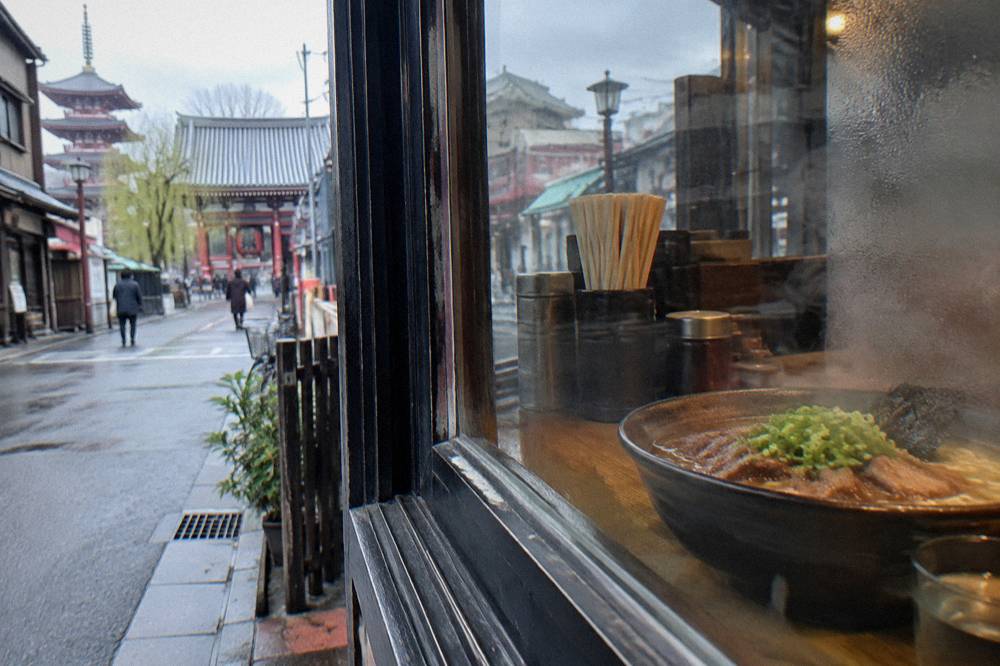
Within the curated records, exactly one ramen shop carries a vegan dish among its order tags: Jikasei MENSHO in Shibuya, whose listing shows a vegan tantanmen alongside spicy miso and truffle ramen. It holds 4.8 on Google across 4,480 reviews, is inexpensive and usually walk-in. Station-located vegan chains exist beyond this set, but the data here supports only this one named bowl, so treat other vegan claims as unverified until confirmed.
Tantanmen is the style where Jikasei MENSHO's listing shows a vegan option, making it a useful first stop for plant-based ramen hunters scanning the market. At Jikasei MENSHO, the vegan tantanmen is listed among the shop's order tags, the only vegan ramen this guide names. The shop sits in Shibuya ward, draws a mixed crowd and needs no booking, which makes it the easiest vegan-adjacent stop in the set.
Beyond the curated set, Japaholic's vegan ramen guide gives one solid pointer: T's Tantan operates vegan ramen counters at Tokyo Station and Ueno, with main bowls typically around 980 to 1,200 yen. A 2026 user survey also found that 73.8 percent of cash-paying ramen customers would prefer cashless payment if every option were available, per FOOD FUN, which is a small comfort if you are dashing between vegan stops with a transit card.
The honest limit: one vegan bowl among fifteen ramen records is thin, so confirm ingredients before ordering elsewhere. Pork tonkotsu and chicken paitan dominate Tokyo ramen, and fish-based seasonings run through the tare that seasons them. A vegan diner in Tokyo should plan around dedicated vegan shops and the station counters, with Jikasei MENSHO as the walk-in option in Shibuya. For the wider ramen landscape, including where cash and ticket machines still rule, see our best ramen in Tokyo guide.
Is Gluten-Free Eating Realistic In Tokyo?
Gluten-free eating is the hardest of the four diets in Tokyo, because wheat-based soy sauce appears in nearly every savoury Japanese dish and is exempt-free nowhere. Japan's mandatory allergen list does include wheat, which helps with packaged food, but restaurant kitchens rely on regular soy sauce, mirin and wheat noodles, and cross-contact at counters is routine. Realistic, yes; relaxed, no: it takes named dishes and direct questions.
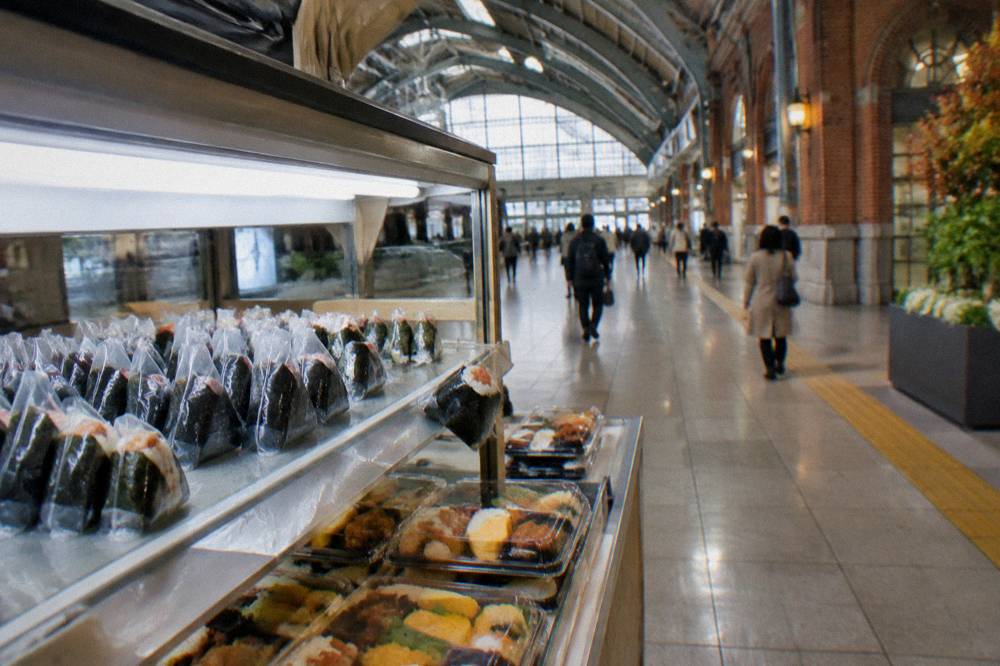
Start with the labelling, because it is genuinely on your side for anything packaged. Wheat is one of the nine items Japanese law requires to be declared on packaged processed food, alongside egg, milk, buckwheat, peanut, shrimp, crab, walnut and cashew, per the Aichi Prefectural Institute's allergen pages. That covers konbini shelves, so a convenience-store run for plain rice balls, grilled fish or fruit is a reliable gluten-free fallback in a way that a random restaurant counter is not.
The restaurant picture is tougher. Soy sauce is brewed with wheat, and it seasons teriyaki, dipping sauces, ramen tare and countless simmered dishes. Buckwheat soba sounds safe but is usually cut with wheat flour, and soba itself is a mandatory allergen precisely because it is dangerous to some diners. Tempura batter, panko on tonkatsu and ramen noodles are all wheat. A dedicated gluten-free kitchen is rare; what you more typically find are individual dishes that happen to avoid wheat, such as plain grilled fish with rice and salt, or tamagoyaki made without dashi-soy mixtures, and you find them by asking rather than by scanning.
One structural point matters: soy, the base of most soy sauce, sits only on the recommended disclosure list, so a dish can legally be silent about soy even when wheat is declared on a packaged item. The practical rule is to ask about shoyu specifically, by name, rather than asking generally about wheat. Our article on what to eat in Tokyo covers the dish landscape if you are building a wheat-free shortlist cuisine by cuisine.
| Question to ask | Why it matters | Safer direction |
|---|---|---|
| Does this contain shoyu or mirin? | Both carry wheat; soy sauce is in most glazes and dips | Salt-grilled, steamed or plain broiled dishes |
| Is the soup made with dashi? | Fish stock rules out strict vegetarian and vegan; some mixes add soy sauce | Kombu or shiitake broth at dedicated venues |
| Is the meat halal certified, and by which body? | A halal name is a signal, certification is the fact | Named halal restaurants above |
| Are the noodles 100 percent buckwheat? | Most soba contains wheat binder | Rice-based dishes or plain rice sets |
| Is there a separate fryer? | Cross-contact at counters is routine for gluten-free | Avoid fried items where unsure |
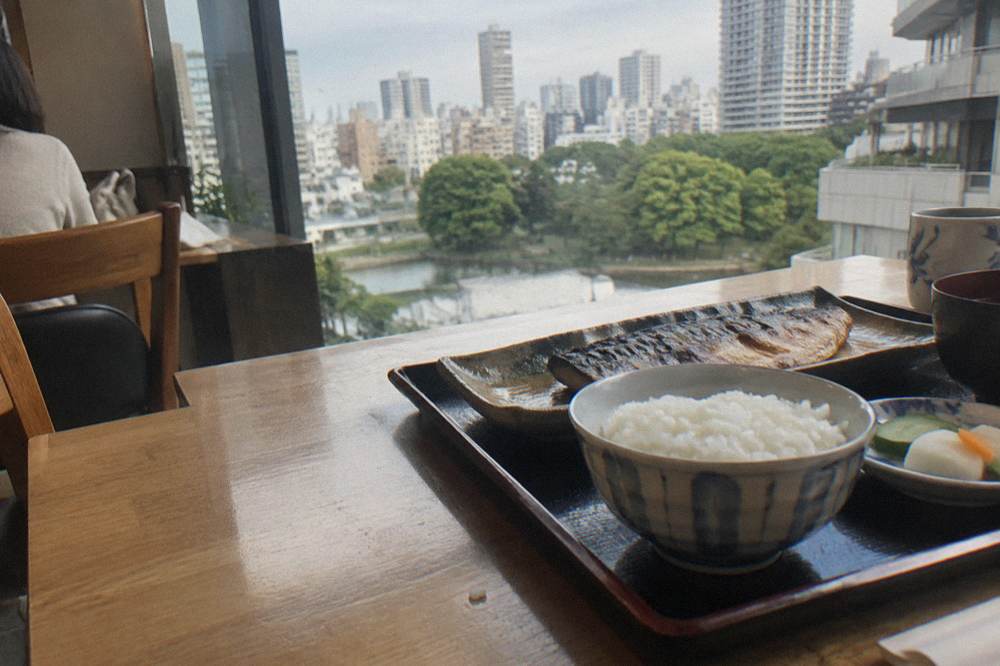
How Japanese Allergen Labels Help And Where They Stop
Japan's mandatory allergen labelling covers nine items, including wheat, buckwheat, egg, milk, shrimp and crab, and it applies to packaged processed food, which makes convenience stores genuinely useful for restricted diners. It does not impose the same declaration duty on restaurant menus. A vegan certification industry exists, led by VegeProject Japan, but no national law defines vegetarian or vegan, so restaurant claims rest on the operator.
The nine mandatory items came into their current shape when cashew was added, joining egg, milk, wheat, buckwheat, peanut, shrimp, crab and walnut; a further twenty items, including soy and sesame, are recommended rather than required disclosures. For a gluten-free traveller this is the single most useful regulation in Japan, because packaged rice, snacks and drinks state wheat clearly. For a soy-allergic diner it is the single biggest gap, since soy can be present and undeclared.
For vegans, look for the VegeProject mark. Its certification covers more than 2,000 products and menu items from over 400 companies, making it the most widely used vegan label in Japan, per VegeProject's own certification page. That mark is a real shortcut on packaged food and at participating cafes. At an ordinary restaurant, there is no legal definition backing the words vegetarian or vegan, so the words mean exactly what the owner means by them.
Halal certification is similarly private but better organised than most visitors expect. Multiple bodies operate nationally, some with international mutual recognition, and the Muslim Professional Japan Association gained recognition from Singapore's MUIS authority. What that means on the ground: a restaurant saying halal may be certified by a recognised body, certified by a body you have never heard of, or simply avoiding pork and alcohol on its own interpretation. Ask, and if the answer names a body you can check, you have your answer.
For travellers combining restrictions, the overlap matters as much as the categories. Halal wagyu ramen solves pork and alcohol but not gluten, since the noodles are wheat. Vegan tantanmen solves animal products but says nothing about gluten either. The realistic strategy for a multi-restriction table is to anchor on the halal-named set for meat eaters, the vegan bowl at Jikasei MENSHO for plant-based diners, and plain rice, grilled fish and vegetable sides for the rest, then confirm the sauces in each case. Budget watchers can pair this with our cheap eats in Tokyo guide, since most of the halal-named records are inexpensive.
| Situation | Realistic approach in Tokyo | Where the listing data helps |
|---|---|---|
| Halal, any budget | Seven halal-named restaurants, five inexpensive and two moderate | Ward, rating, reviews, booking label for each |
| Vegan, wants ramen | Jikasei MENSHO vegan tantanmen, usually walk-in | Price level, crowd label, Google rating |
| Vegetarian, flexible on stock | Most of the city opens up once dashi is acceptable | Booking labels indicate where planning is needed |
| Gluten-free | Packaged food plus plain grilled dishes, ask about shoyu everywhere | What-to-order tags show safe dishes at each record |
| Multiple restrictions at one table | Anchor on halal-named set plus rice and grilled sides | One table can span several of the eight records |
Booking, Confirming And Questions To Ask Before You Go
Most of the dietary-friendly records in the curated set need no hard booking: five of the eight are usually walk-in and none carry the booking usually required label, so the practical challenge is ingredient confirmation rather than securing a seat. Ask about dashi, shoyu, mirin and certification by name, in writing where possible, and confirm at the table on arrival. Book ahead for the two Shinjuku-tei ramen branches and Halal Wagyu Yakiniku Panga, and state the restriction when you reserve.
The booking picture is unusually kind here. The halal ramen branches are mostly walk-in or booking recommended, and Jikasei MENSHO is usually walk-in, so a dietary traveller can adjust plans on the day. The harder end holds three records, Shinjuku-tei Yotsuya, the Shibuya Shinjuku-tei branch and Halal Wagyu Yakiniku Panga, and even those carry booking recommended rather than booking usually required. English-friendly booking systems do exist in Tokyo, and our piece on how to make restaurant reservations in Japan walks through the fees and card requirements involved.
When you book or arrive, the questions matter more than the reservation itself. Ask whether the soup uses dashi and what kind; ask if dishes contain shoyu or mirin if wheat is your concern; ask which body certified the meat if halal certification matters. Doing this in writing, through a booking message or a translation app, works better than a phone call for everyone involved. If you are booking a Japanese-only venue, hotel concierges can relay the questions, which the verified booking research for this site lists among the standard routes.
The Tokyo Food List, our own guide, exists precisely for this kind of check: it holds the 980-plus restaurants, what to order, reservation difficulty and booking links, sorted by cuisine and Google price band, and it opens on a phone so you can confirm while standing outside the shop. Updates stay on the same link, which is useful when a branch changes its menu. It does not replace asking, but it tells you where asking is worthwhile.
One more planning habit: check the tax and tipping mechanics so nothing surprises you at the register. Tipping is not customary in Tokyo restaurants and staff may return money left behind, per hinomaru.one's travel guide, and dine-in meals carry 10 percent consumption tax while takeout is taxed at the reduced 8 percent rate, per NHK reporting. Taking out is not just a budget move; it can also simplify eating when a restaurant's kitchen cannot fully accommodate a restriction but its packaged items can.
Cooking Classes And Food Tours For Dietary Travellers
Cooking classes often serve dietary travellers better than restaurant nights because they are the one Tokyo food format where you can question ingredients before the meal exists. Two standouts are the 90-minute Shibuya ramen class, rated 5 across 259 reviews with the meal included, and the 90-minute Asakusa sushi class with unlimited sake and matcha from $44.93 per person, rated 4.94 across 206 reviews, both offering free cancellation.
The Ramen Class in Shibuya, making tonkotsu, shoyu and miso bowls, is from $113.36 per person, caps at 20 travellers and includes the meal, with free cancellation. For a dietary traveller the attraction is structural: you watch the broth come together, so questions about stock, tare and toppings get answered in real time rather than through a menu translation. Vegans and vegetarians should message the operator in advance about substitutions, since the class as listed covers pork-based tonkotsu.
The Asakusa class, sushi making with matcha and unlimited sake, is the cheaper and quicker option at from $44.93 per person, 1 hour 30 minutes, 4.94 across 206 reviews, meal and drinks included, free cancellation. Sushi classes are more accommodating for gluten-free diners than sushi restaurants, because you control the soy sauce. Halal and vegan diners should confirm fish and rice-vinegar details with the operator before booking; the listing alone does not state dietary accommodations, and this guide does not claim any.
Guided walks split the difference between class and independent dining. The Shinjuku Local Eateries Walk, from $84.21 per person, 4.9 across 10,498 reviews, three hours with a maximum of 12 travellers, includes a meal and drinks, and a guide can translate ingredient questions at counters where no English menu exists. None of these tours states dietary accommodations in its listing, so ask before booking rather than assuming; the free-cancellation terms on all three make that a low-risk question to send.
Halal Restaurants In Tokyo: Google Review Counts
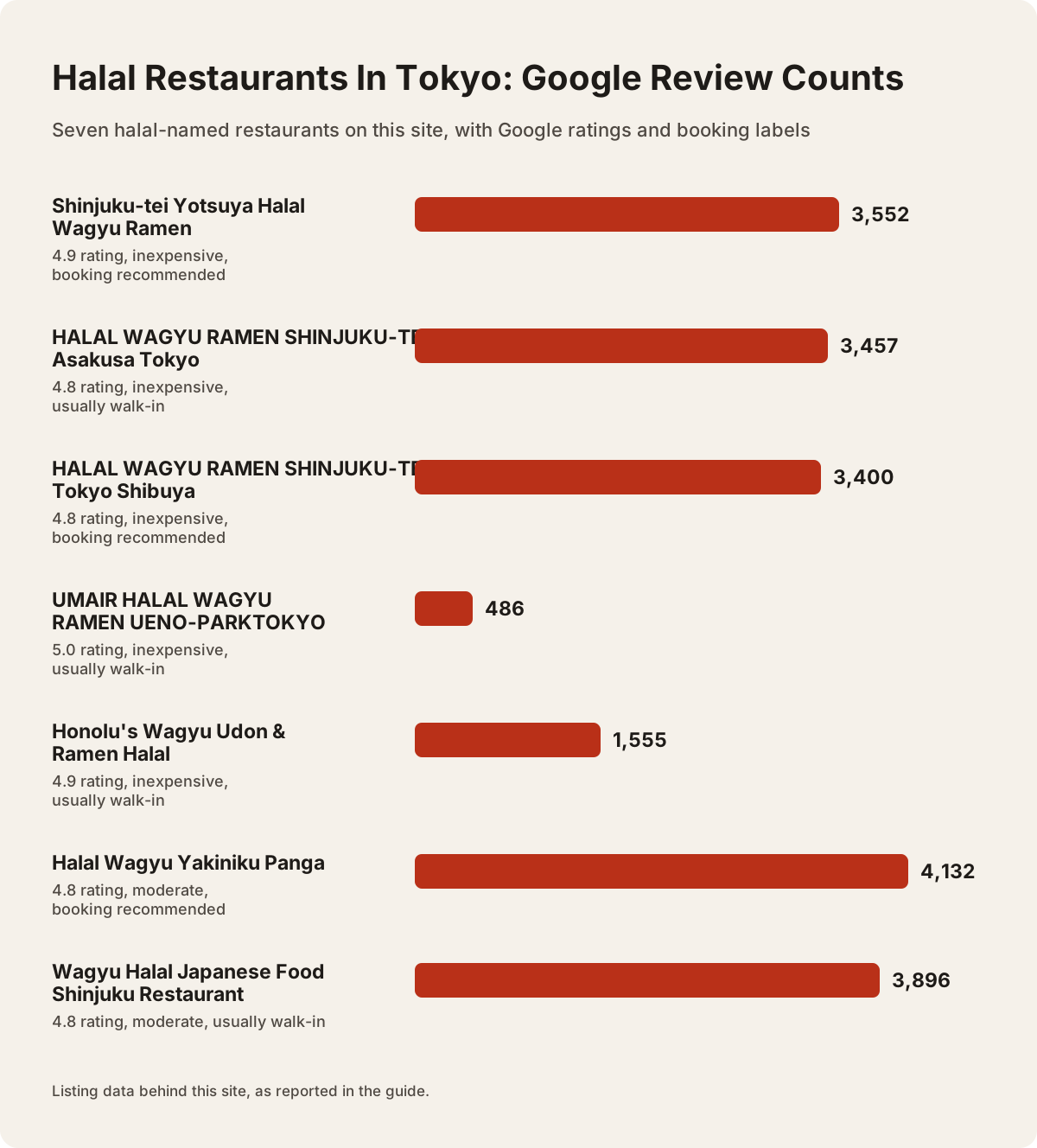
The realistic summary for dietary travellers: halal diners have named, well-reviewed, inexpensive options concentrated in Shinjuku, Asakusa, Shibuya and Ueno; vegans have one verified bowl plus dedicated shops; vegetarians flexible on fish stock have the whole city; gluten-free diners should lean on packaged labels and plain grilled dishes. In every case the final confirmation belongs to the conversation with the restaurant, not to a list, including this one.
Common Questions About Dietary Eating In Tokyo
Is Tokyo good for vegetarian and vegan travellers?
Partly. The obstacle is dashi, the fish stock typically used in soups and sauces even in vegetable dishes, so strict vegans should stick to dedicated venues and the vegan tantanmen at Jikasei MENSHO in Shibuya, and always confirm the broth. Vegetarians who accept fish stock have far more choice.
Are there halal restaurants in Tokyo?
Yes. The set includes seven halal-named restaurants: four wagyu ramen shops in Shinjuku, Asakusa, Shibuya and Ueno, one wagyu udon and ramen shop in Asakusa, and two halal wagyu restaurants in Taito and Shinjuku. All hold Google ratings of 4.8 or higher, and most are inexpensive and walk-in. Confirm certification with each restaurant, since a halal name alone does not state the certifying body.
Is gluten-free eating possible in Tokyo?
It is possible but takes effort. Wheat-based soy sauce seasons most savoury dishes, and restaurant menus carry no mandatory allergen declaration. Packaged food must declare wheat, so convenience stores are reliable, and plain grilled fish with rice is the safest restaurant pattern. Ask about shoyu and mirin by name at every venue.
Do I need reservations at halal restaurants in Tokyo?
Mostly no. Five of the eight dietary-relevant records in the curated set are usually walk-in, and none carry a booking usually required label. Three of the eight, the Yotsuya and Shibuya Shinjuku-tei branches and Halal Wagyu Yakiniku Panga, are booking recommended, so book ahead, weekends especially.
Can I trust a restaurant that says it is vegan or halal?
Treat it as a claim to verify. Japan has no legal definition of vegetarian or vegan, though the VegeProject mark covers more than 2,000 certified products and menu items. Halal certification runs through several private bodies, some with international recognition, so ask which body certified the venue.