Shinjuku Restaurants Worth Your Evening, From Omoide Yokocho To Booked Counters
Thirteen of our 100 Tokyo restaurant picks sit in Shinjuku ward: four yakitori counters, three sushi spots, and a spread of ramen, wagyu, izakaya and tempura rooms, with Google ratings from 4.5 to 4.9 and every price band from inexpensive to moderate.
Short answer
Our curated Tokyo set holds 13 Shinjuku ward records. Ten of the 13 carry a booking recommended label, so plan ahead for most of them. Standouts include Fukumimi Hanare at 4.9 on Google across 2,688 reviews and Shinjuku Sushi Hatsume at 4.9 across 2,487. Only three of the 13 are usually walk-in.
Shinjuku ward contributes 13 restaurants to the 100 picks on this site, and the spread tells you most of what you need to know about eating there: four yakitori specialists, three sushi counters, one halal wagyu kitchen, one halal wagyu ramen shop, two izakaya, one tempura room and one gyukatsu branch. Every single one sits at 4.5 or higher on Google. The top ratings go to three of them at 4.9: Fukumimi Hanare, Shinjuku Sushi Hatsume and Shinjuku-tei Yotsuya.
The interesting number is the booking split. Among the 13 Shinjuku records, ten are labelled booking recommended, three are usually walk-in, and none falls into the booking usually required tier that expensive omakase counters elsewhere in Tokyo occupy. Shinjuku, in other words, is a ward where you can improvise a little, but should not improvise entirely. Our own guide, The Tokyo Food List, holds the full 980+ Tokyo records with reservation difficulty and booking links for each, which is the quickest way to see which of these 13 need a slot locked before you leave the hotel.
What Makes Shinjuku Different For Dinner?
Shinjuku concentrates an unusual mix for a single ward: four yakitori specialists, three sushi counters, one halal wagyu restaurant and one halal wagyu ramen shop among our 100 picks, and ten of its 13 restaurants carry a booking recommended label rather than a walk-in one. Price bands skew accessible: six are inexpensive and seven moderate, with nothing above moderate among them.
Seven of the thirteen Shinjuku records are priced moderate and the rest inexpensive, with none higher. The priciest rooms here are moderate ones like zekkocho teppen, an izakaya rated 4.8 on Google where the order tags point to grilled mackerel and chub mackerel, and Fukumimi Hanare, a yakitori counter at 4.9 on Google. Crowd labels run nine mixed rooms, three tourist-flagged spots such as Sushi Mon Shinjuku and Wagyu Halal Japanese Food Shinjuku Restaurant, and one local-flagged room, Satoumisatoyama Tempura. To eat your way through the city area by area, The Tokyo Food List is made to open on a phone and pick by neighborhood.
The ward also runs late. Japan Brand Collection, in collaboration with japan-guide.com, notes that many Tokyo restaurants close between lunch and dinner service and often close on Sundays, Mondays or national holidays, so the evening window matters: arrive too early and half the counters have not opened, arrive after nine and the walk-in ramen queues have thinned. That rhythm shapes every recommendation in this guide. For a second evening on the other side of the city, the guide to Ginza and Asakusa counters and old-Tokyo favorites picks up where Shinjuku's lantern-lit alleys leave off.
If you want to see how these 13 sit inside the wider 980+ Tokyo list, sorted by cuisine, Google rating and price range, with what to order at each and a map of what falls within a 10-minute walk, The Tokyo Food List is built exactly for that decision, and it is made to open on a phone and pick by neighbourhood.
Which Shinjuku Restaurants Top The Google Ratings?
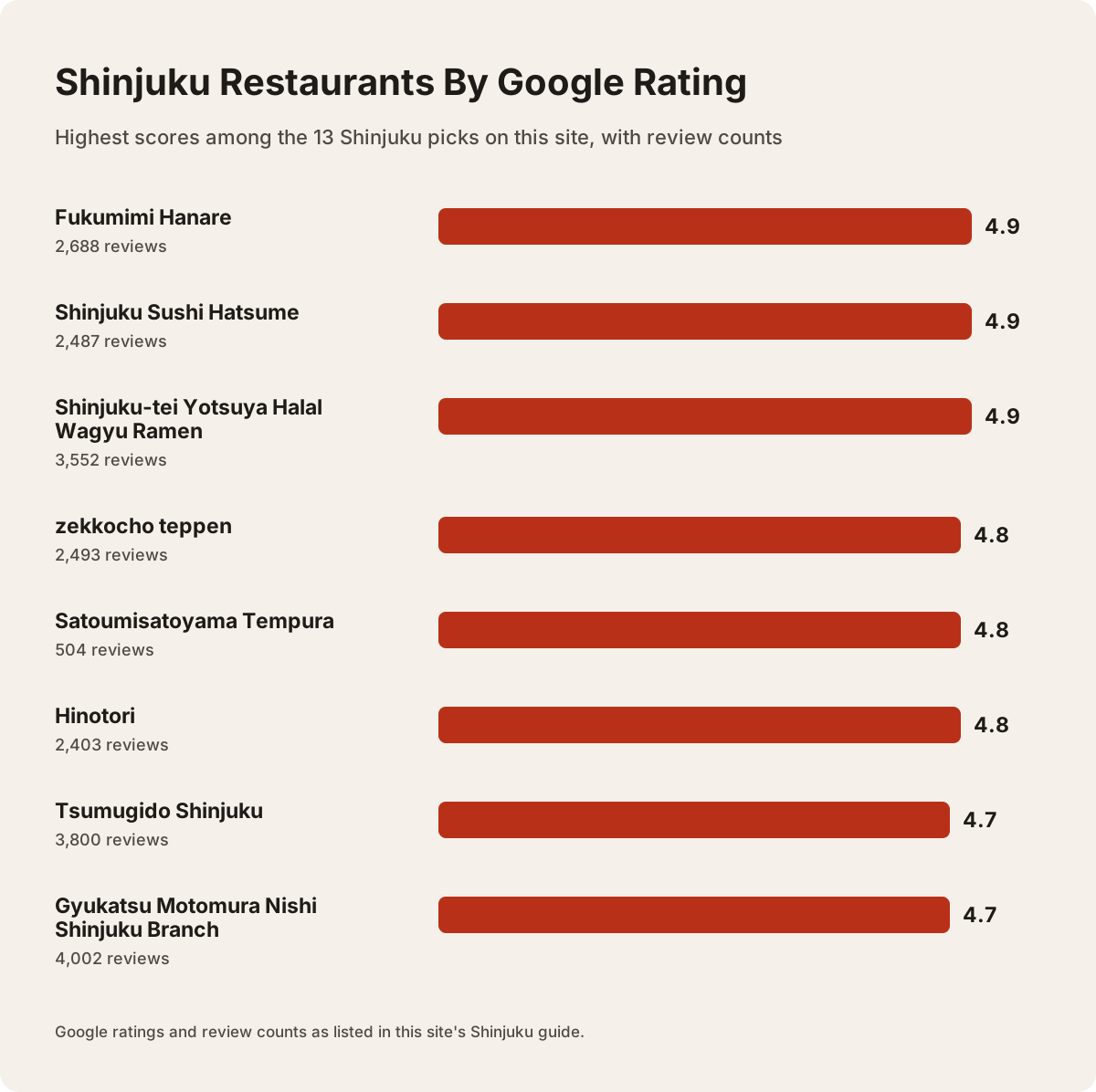
Fukumimi Hanare leads the Shinjuku set at 4.9 on Google across 2,688 reviews, followed by Shinjuku Sushi Hatsume at 4.9 across 2,487 and Shinjuku-tei Yotsuya Halal Wagyu Ramen at 4.9 across 3,552. The full 13-record set spans 4.5 to 4.9, with review counts from 504 to 4,002. No Shinjuku record falls below 4.5.
Here is the complete ward set, exactly as the records read:
| Restaurant | Cuisine | Google rating | Reviews | Price level | Booking label |
|---|---|---|---|---|---|
| Fukumimi Hanare | yakitori | 4.9 | 2,688 | moderate | booking recommended |
| Shinjuku Sushi Hatsume | sushi | 4.9 | 2,487 | moderate | booking recommended |
| Shinjuku-tei Yotsuya Halal Wagyu Ramen | ramen | 4.9 | 3,552 | inexpensive | booking recommended |
| zekkocho teppen | izakaya | 4.8 | 2,493 | moderate | booking recommended |
| Satoumisatoyama Tempura | tempura | 4.8 | 504 | inexpensive | booking recommended |
| Wagyu Halal Japanese Food Shinjuku Restaurant | wagyu | 4.8 | 3,896 | moderate | usually walk-in |
| Hinotori | yakitori | 4.8 | 2,403 | inexpensive | booking recommended |
| Tsumugido Shinjuku | izakaya | 4.7 | 3,800 | inexpensive | booking recommended |
| Gyukatsu Motomura Nishi Shinjuku Branch | wagyu | 4.7 | 4,002 | inexpensive | booking recommended |
| Sushi Mon Shinjuku | sushi | 4.7 | 1,552 | inexpensive | usually walk-in |
| Fukumimi Shinjuku | yakitori | 4.7 | 2,933 | moderate | booking recommended |
| Yakitori Haretsubame Shinjuku higashiguchi | yakitori | 4.6 | 3,814 | moderate | booking recommended |
| Uogashi Nihon-Ichi | sushi | 4.5 | 2,629 | moderate | usually walk-in |
A rating on its own means little without the pool behind it, so print both together when comparing places. Wagyu Halal Japanese Food Shinjuku Restaurant and Satoumisatoyama Tempura carry the same Google score, but one sits on a far larger review base than the other, and that changes how much weight it can bear. The restaurants on this site all sit at 4.2 or higher on Google with at least 300 reviews behind them, so every row here has cleared that bar.
Read as a chart, the set tilts toward inexpensive and moderate rooms with booking recommended labels, which is the practical pattern of the ward: cheap enough to try twice, busy enough that you should not assume a seat.
Shinjuku Restaurants By Google Rating
Where To Eat Yakitori In Shinjuku?
Four yakitori specialists anchor the ward: Fukumimi Hanare at 4.9 on Google across 2,688 reviews, Hinotori at 4.8 across 2,403, Fukumimi Shinjuku at 4.7 across 2,933 and Yakitori Haretsubame Shinjuku higashiguchi at 4.6 across 3,814. All four carry a booking recommended label, and three of the four are moderate in price.
Note that the two Fukumimi entries are separate records, separate rooms and separate listings, not one restaurant counted twice. The order tags differ too: Fukumimi Hanare's records point to skewers, chicken meatball and tsukune, while Fukumimi Shinjuku's point to chicken skewers, beef skewers and pork belly. Pick by what you actually want on the grill.
| Restaurant | Google rating | Reviews | Price level | Order tags from the record |
|---|---|---|---|---|
| Fukumimi Hanare | 4.9 | 2,688 | moderate | skewers, chicken meatball, tsukune |
| Hinotori | 4.8 | 2,403 | inexpensive | sake, toro liver, potato salad |
| Fukumimi Shinjuku | 4.7 | 2,933 | moderate | chicken skewers, beef skewers, pork belly |
| Yakitori Haretsubame Shinjuku higashiguchi | 4.6 | 3,814 | moderate | dashi-rolled omelette, chicken soup, duck tsukune |
Hinotori is the inexpensive outlier of the four, and its order tags, toro liver and potato salad alongside sake, read like a proper drinking counter rather than a skewer-only room. Yakitori Haretsubame Shinjuku higashiguchi, a brand-operated shop whose own site lists it among the group's locations, leans different again with a dashi-rolled omelette and a duck tsukune among its tags. For the wider picture across Tokyo, our izakaya and yakitori guide covers the etiquette and the standing-bar mechanics in one place.
One detail from Omoide Yokocho itself: most shops there sell skewers in twos, not singly, and saying omakase hands the choice to the counter, which is how most regulars order. That habit belongs to these alleys, not automatically to the four counter rooms above, so treat it as local colour rather than a ward-wide rule.
Is Sushi In Shinjuku Any Good?
Three sushi records sit in the Shinjuku set: Shinjuku Sushi Hatsume at 4.9 on Google across 2,487 reviews with an omakase tag, Sushi Mon Shinjuku at 4.7 across 1,552 and usually walk-in, and Uogashi Nihon-Ichi at 4.5 across 2,629 and also usually walk-in. Two of the three are inexpensive or moderate counters rather than booked rooms.
| Restaurant | Google rating | Reviews | Price level | Booking label | Order tags |
|---|---|---|---|---|---|
| Shinjuku Sushi Hatsume | 4.9 | 2,487 | moderate | booking recommended | omakase |
| Sushi Mon Shinjuku | 4.7 | 1,552 | inexpensive | usually walk-in | ochazuke, omakase |
| Uogashi Nihon-Ichi | 4.5 | 2,629 | moderate | usually walk-in | eel |
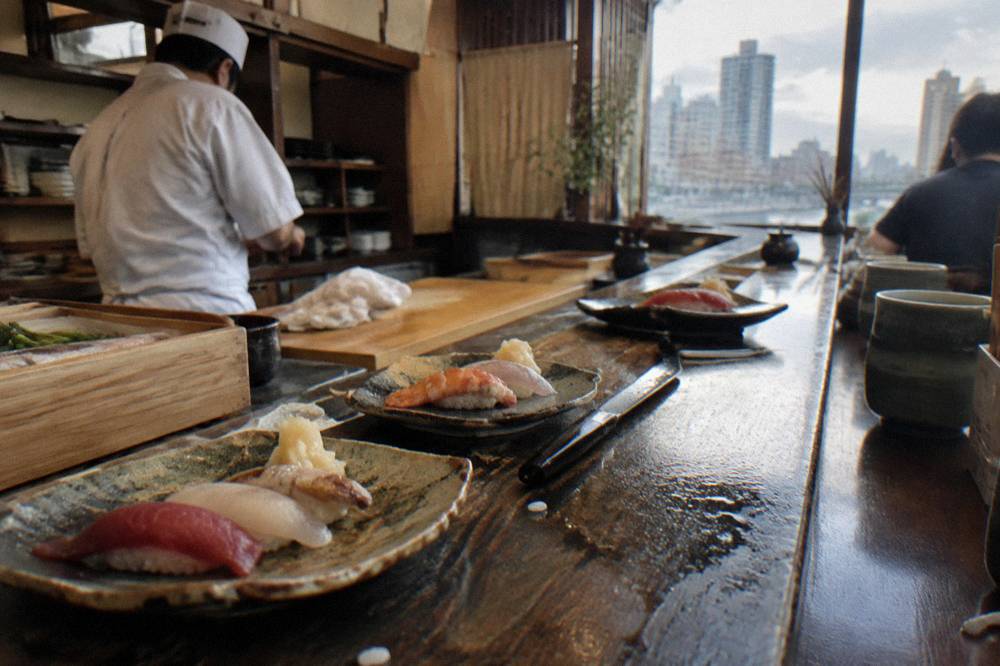
The pattern is useful for planning. Shinjuku Sushi Hatsume is the one sushi record in the ward with a booking recommended label and a single omakase tag, which makes it the closest thing here to a booked counter experience. The other two are walk-in rooms where the Food List labels them as such because Google listings show no reservation flow, and Uogashi Nihon-Ichi's eel tag points at a different kind of sushi shop altogether, one built around unagi rather than a nigiri progression. If a booked sushi counter is the goal of the trip rather than the ward, our best sushi in Tokyo guide and the omakase explainer cover the how and the why, including why the same counter can be a very different spend at lunch versus dinner.
Japan Brand Collection, working with japan-guide.com, lists lunch at one Ginza counter at roughly half or less of the dinner price at the same address. Treat it as an example, not a rule. It still explains why budget-minded sushi planning in Shinjuku starts with the walk-in rooms and the moderate price band rather than anything booked.
What About Izakaya And Tempura In Shinjuku?
The ward's two izakaya records are Tsumugido Shinjuku at 4.7 on Google across 3,800 reviews, inexpensive and booking recommended, and zekkocho teppen at 4.8 across 2,493, moderate and booking recommended. The single tempura record, Satoumisatoyama Tempura, is inexpensive, booking recommended and local-flagged at 4.8 across 504 reviews.
Tsumugido Shinjuku carries the most distinctive order tags in the ward: beef tongue, boiled tongue and something the listing calls drinkable gyoza. It is the inexpensive room of the two izakaya, and at 3,800 reviews it is among the most reviewed records in the whole Shinjuku set. Zekkocho teppen, whose own site lists the room, goes the other direction with chub mackerel, grilled mackerel and grilled fish: a fish-forward izakaya in a ward better known for chicken, priced moderate and labelled booking recommended.
Satoumisatoyama Tempura is the quiet one. Its tags are tendon, kakiage and tempura ice cream, the last of which is a dessert rather than a savoury course, and its crowd label is the only local flag among the 13 Shinjuku records. With 504 reviews it has the smallest pool in the ward set, so the 4.8 rating carries less weight than the same number at a 3,800-review room. Counter tempura has its own rhythm: etiquette guides note that at dedicated tempura counters the chef fries and serves pieces one at a time, and each piece should be eaten immediately for the crispness, a mechanic that makes these rooms slower and more booked than a tendon lunch.
Where Do Halal Wagyu And Halal Ramen Fit In Shinjuku?
Shinjuku holds two halal-flagged records among its 13: Wagyu Halal Japanese Food Shinjuku Restaurant at 4.8 on Google and usually walk-in, and Shinjuku-tei Yotsuya Halal Wagyu Ramen at 4.9 and booking recommended. Gyukatsu Motomura Nishi Shinjuku Branch, rated 4.7, is not halal-flagged but sits in the same wagyu bracket.
The halal claim here is what the listing says, nothing more: the names contain halal and the order tags say wagyu, so report them as halal-listed rooms and confirm specifics with the restaurant before booking, since certification bodies and kitchen practices vary. Our dietary guide covers the dashi and broth pitfalls that catch vegetarians and halal diners alike in ordinary Tokyo kitchens.
The order tags split cleanly. Wagyu Halal Japanese Food Shinjuku Restaurant lists wagyu alongside a cheeseburger and mochi ice cream, a tourist-friendly spread flagged tourist in its crowd label. Shinjuku-tei Yotsuya Halal Wagyu Ramen lists chicken karaage, spicy miso ramen and wagyu, and it is the highest rated of the three at 4.9. Gyukatsu Motomura Nishi Shinjuku Branch, whose own site lists the branch, is the queue room of the set: inexpensive, booking recommended, 4,002 reviews, and order tags of gyukatsu and wasabi. A breaded beef cutlet at an inexpensive price band with that review volume is the kind of record that draws lines, which is exactly what its booking label is hinting at.
How Does Omoide Yokocho Fit A Shinjuku Evening?
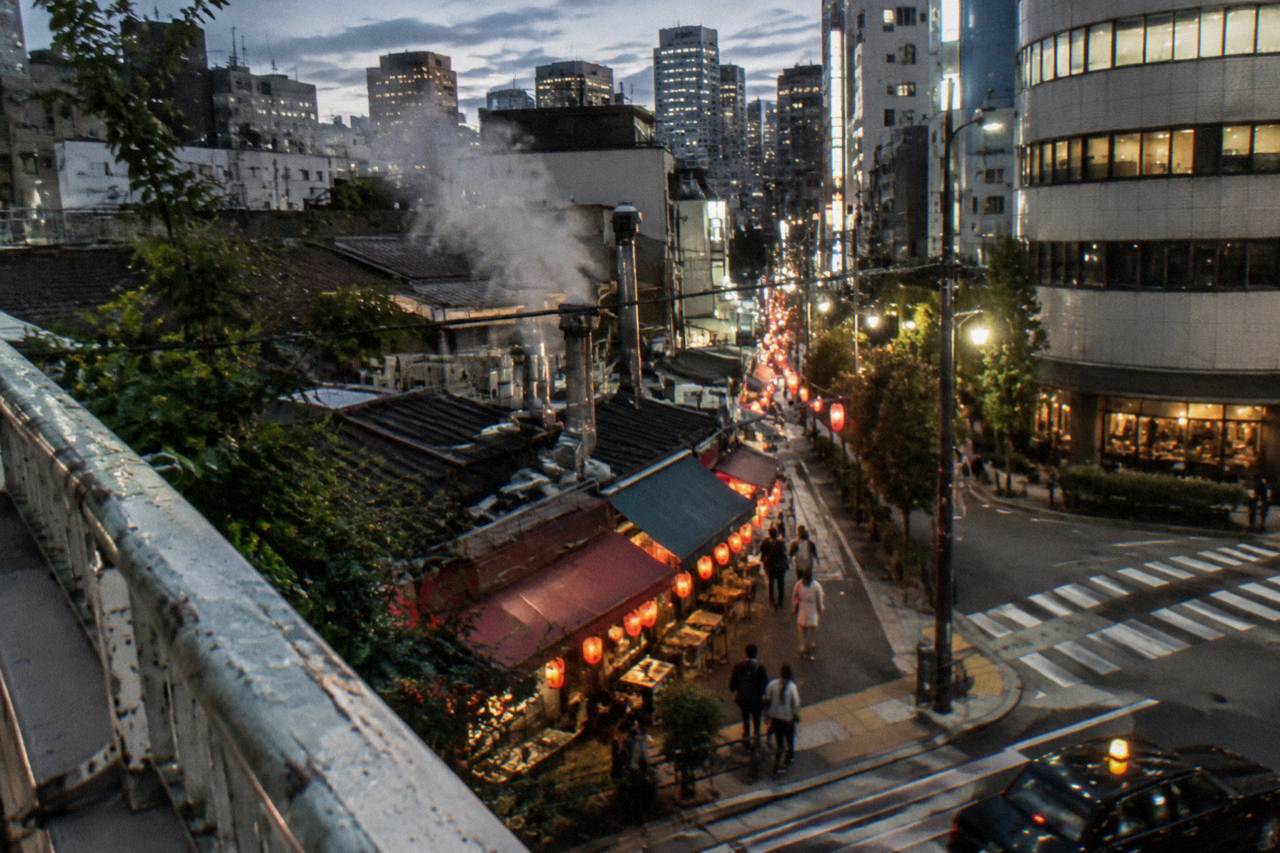
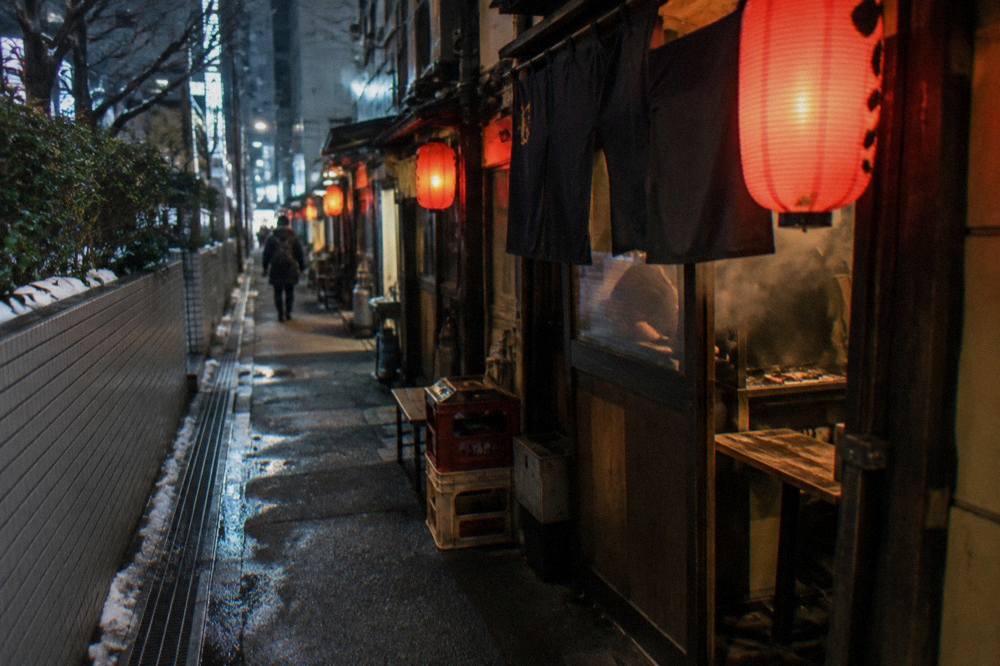
Omoide Yokocho holds about 60 eateries, more than half of them yakitori or offal grills, according to the Izakaya Manual guide to the lanes, and the merchants association states some shops impose a 90-minute time limit, a one-drink-one-dish minimum or a table charge, so the alleys run on different rules from the booked counters above.
None of the 13 restaurants on this site sits inside the lanes themselves, and that matters: the Shinjuku picks here cover proper restaurants, while the yokocho is its own experience with its own mechanics. The merchants association's guidance, relayed by shinjukujapan.com, lists the three house rules to check before you sit: whether there is a table charge, whether each customer must order one drink and one food item on entry, and whether there is a time limit. At the shops that use one, the association puts that limit at 90 minutes. Smoking is banned in the alleys themselves, tripguide.tokyo reports, except inside shops that allow it.
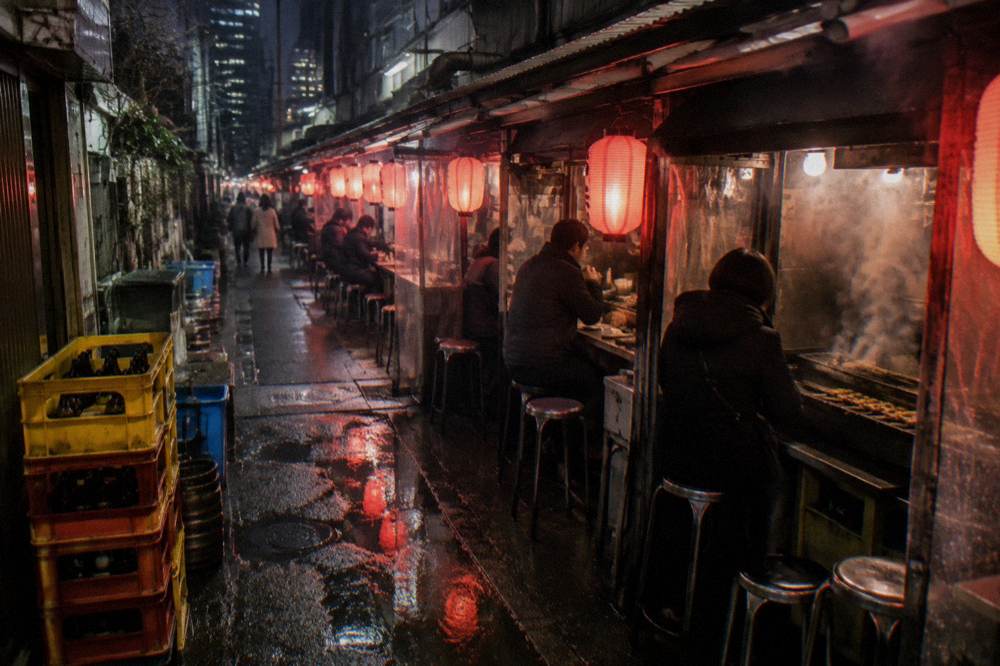
The practical read is that the yokocho rewards a flexible, cash-and-queue approach while the ward's four yakitori counters reward a booking. If a table for the evening is the priority, Fukumimi Hanare at 4.9 is the record to lock; if the lane experience is the point, go with the association's rules in mind and no fixed plan.
Early Evening Or Late Night: When Should You Eat In Shinjuku?
Shinjuku rewards two windows rather than one. Early evening, from around six, the booking recommended rooms are serving booked tables and walk-in queues are shortest; later, after nine, the lanes and drinking counters fill, several chains apply a late-night surcharge on orders from 10pm, and many Tokyo restaurants stop taking last orders well before closing. If you're planning the other side of your evening, the Shibuya dinner timing guide covers how the same early and late windows play out across that neighborhood's standing bars and booked counters.
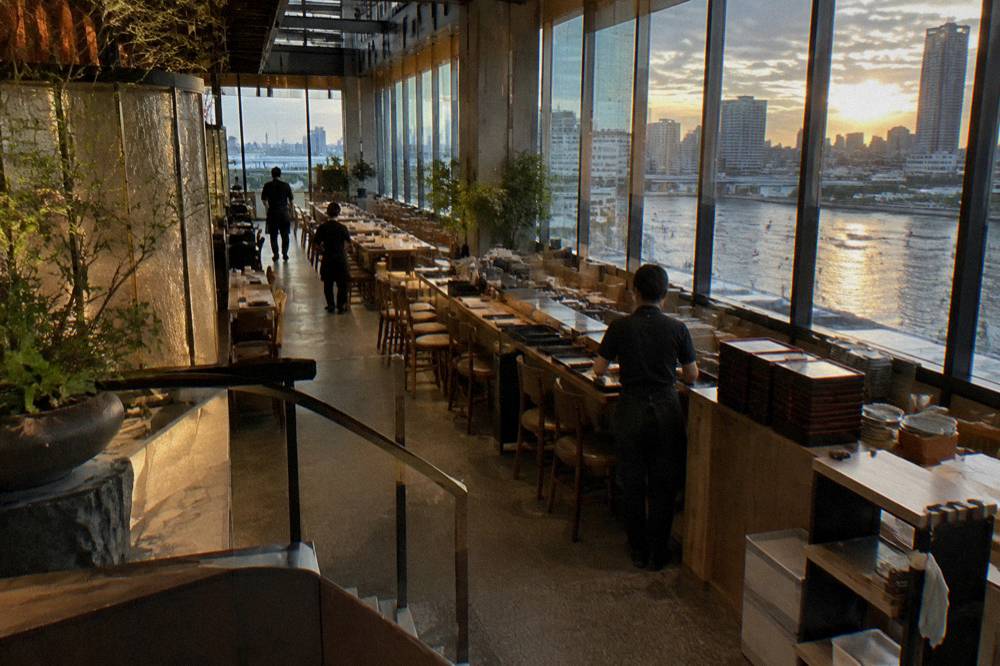
The surcharge point comes from reporting that several major chains introduced a roughly 7% late-night addition on orders from 10pm to cover nighttime operating costs. For the records in this guide that matters only indirectly, since none is a national chain counter, but it shapes the ward around them: the cheapest late options carry a small premium, which nudges a budget evening earlier rather than later.
| Time window | What the ward looks like | What to book or walk into |
|---|---|---|
| 17:00 to 19:00 | Booked counters start sittings; many rooms reopen after a lunch break | Shinjuku Sushi Hatsume, zekkocho teppen, any booking recommended room |
| 19:00 to 21:00 | Peak for the four yakitori counters and both izakaya | Fukumimi Hanare, Hinotori, Tsumugido Shinjuku if not already booked |
| 21:00 to 23:00 | Walk-in queues thin; lanes and bars fill; some rooms take last orders | Uogashi Nihon-Ichi, Sushi Mon Shinjuku, Wagyu Halal Japanese Food Shinjuku Restaurant |
| After 23:00 | Late-night rooms and lane stalls dominate; some prices carry a late surcharge | Omoide Yokocho stalls, standing rooms, anything still open |
Sunday and Monday matter here: many Tokyo restaurants close on those days or on national holidays, a pattern Japan Brand Collection documents alongside japan-guide.com. Closing days aren't shown on the restaurant profiles here, so check the live listing or the restaurant's own page for the specific room before you build an evening around it.
How Do Bookings Work For The Shinjuku Counters?
Ten of the 13 Shinjuku restaurants on this site carry a booking recommended label, three are usually walk-in and none is booking usually required, so the ward sits between the walk-in ramen world and the booked Ginza omakase world. The Food List labels come from Google listings and describe typical practice, never confirmed policy, so treat them as planning signals.
That middle position is why Shinjuku suits a first Tokyo evening. You can hold a table at one booking recommended room, keep a walk-in alternative in reserve, and lose nothing if the first plan slips. Uogashi Nihon-Ichi, Sushi Mon Shinjuku and Wagyu Halal Japanese Food Shinjuku Restaurant are the three walk-in fallbacks, covering sushi twice and wagyu once, and all three hold 4.5 or better on Google.
A guided first night does the same job with less guesswork. The Shinjuku Local Eateries Walk runs three hours with a maximum of 12 travellers, from $84.21 per person, includes a meal and drinks, holds a 4.9 rating across 10,498 reviews, and offers free cancellation, which makes it easy to hold while the rest of the trip takes shape. It is a street-food walk rather than a booked counter, so pair it with a reservation on a second evening rather than instead of one. Check availability through the operator's live listing if that format fits your first night.
For the counter end of the ward, the booking mechanics are the standard Tokyo ones: online booking systems, concierge help, or the restaurant's own page. Zekkocho teppen, Hinotori and Gyukatsu Motomura Nishi Shinjuku Branch all maintain their own sites, and starting there is faster than any platform search for these specific rooms.
What About A Drinking Evening Around Golden Gai?
Golden Gai holds around 280 small bars across six narrow alleys, many seating five or six people, GO TOKYO counting cited by thejapanpro.com reports, and Izakaya Manual notes most bars charge a seat or cover charge per person, often posted on the door. It is a bar district, not a dinner plan, so it slots after a booked counter rather than instead of one.
The lanes are private roads, which is the detail most visitors miss: Japon en Espanol reports that photography or filming in the alleys requires explicit permission from the business promotion association, and unauthorised filming can lead to fees or police involvement. Shoot the neon from the main street, not inside the lanes. Smoking is banned on the streets here too.
If a food-led version of the night appeals more than bar-hopping solo, the Bar Hop Free Flow Full Dinner tour covers Shinjuku and Golden Gai in three hours with a maximum of 7 travellers, from $109.35 per person, including a full dinner and free-flow drinks, rated 4.9 across 4,086 reviews with free cancellation. It is the format that turns the lanes from a navigation problem into an evening. Check availability on the live listing if a small-group dinner with drinks sounds like the right pace.
How To Plan A Full Shinjuku Food Evening
Build the evening around one booking recommended room, hold one walk-in fallback from the three available, and slot the lanes or a guided walk before or after. Fukumimi Hanare at 4.9 across 2,688 reviews is the strongest booked anchor; Uogashi Nihon-Ichi or Sushi Mon Shinjuku are the walk-in sushi fallbacks; and the yokocho or Golden Gai fills whatever hours remain.
For a premium version of the same night, the Omakase Sushi and A5 Wagyu tour runs three hours with a maximum of 8 travellers, from $130.73 per person, meal and drinks included, rated 4.72 across 329 reviews with free cancellation. It replaces the booked-counter leg entirely if you would rather have someone else hold the reservations.
The pattern holds for any composition of the ward. Book early, walk in late, and use the price bands to decide which night each room deserves: the inexpensive records, six of the 13, are for the improvised second evening, and the seven moderate rooms are for the one you plan around. If Shinjuku is only one stop on a longer trip, the neighbouring wards get their own treatment in our best restaurants in Shibuya guide, and Best Restaurants Tokyo holds the full picture across every neighbourhood.
Common Questions About Shinjuku Restaurants
Which Shinjuku restaurant has the highest Google rating?
Fukumimi Hanare and Shinjuku Sushi Hatsume both hold 4.9 on Google, across 2,688 and 2,487 reviews respectively, and Shinjuku-tei Yotsuya Halal Wagyu Ramen also sits at 4.9 across 3,552 reviews. All three carry a booking recommended label, so none is a spontaneous drop-in on a busy night.
Do Shinjuku restaurants need reservations?
Mostly, yes. Ten of the 13 Shinjuku restaurants on this site carry a booking recommended label, three are usually walk-in, and none requires a booking outright. These booking labels come from the restaurants' Google listings, so treat them as typical practice and confirm the room's own policy when you book.
What is the cheapest good meal in Shinjuku?
Six of the 13 records sit in the inexpensive price band, with the rest at moderate, including Gyukatsu Motomura Nishi Shinjuku Branch at 4.7 on Google, Hinotori at 4.8 and Tsumugido Shinjuku at 4.7. Inexpensive here is a Food List price band, not a promise of a specific figure.
Is Omoide Yokocho worth visiting?
60 eateries, more than half yakitori or offal grills, and the merchants association says some shops set a 90-minute limit or require one drink and one dish per customer on entry. It is a real experience with its own rules, distinct from the booked counters in the rest of the ward.
Can you eat halal food in Shinjuku?
Two of our 100 picks are halal-listed by name: Wagyu Halal Japanese Food Shinjuku Restaurant and Shinjuku-tei Yotsuya Halal Wagyu Ramen. Their Google listings say halal, so confirm specifics with each restaurant before you go.
What time should you eat dinner in Shinjuku?
Two windows work: early, around six, when booked counters start sittings and queues are shortest, and after nine, when walk-in rooms thin out and the lanes fill. Note that many Tokyo restaurants take last orders well before closing and some close on Sundays, Mondays or holidays, so check the room's own page for the day you plan.