What Should I Not Miss In Tokyo?
A food-led answer to what not to miss in Tokyo: morning market lanes, counter ramen, unagi lunches, yakitori nights and the dessert stops between, with what to book ahead.
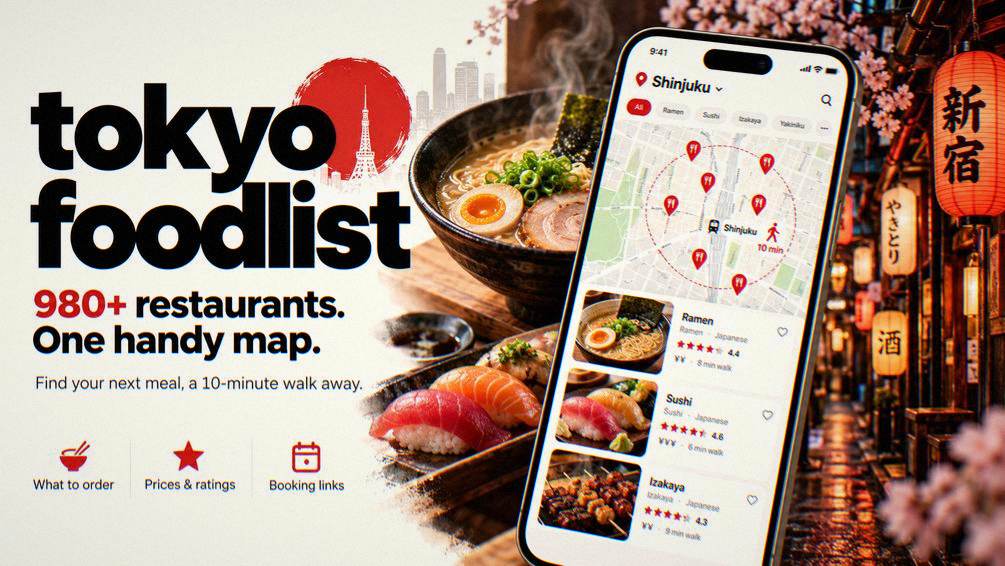
If the question is food, the answer is a sequence: a market morning, a counter ramen, a charcoal eel lunch, a skewer grill after dark. Tokyo rewards planning around meals more than monuments, because the city's standout experiences sit at counters and in alleys, not at viewpoints. Google listings for the curated records here run from 4.2 to 4.9, and the gap between a good trip and a great one usually comes down to which tables you booked and which queues you joined. The Tokyo Food List, our own guide, exists for exactly this decision: 980+ restaurants with reservation difficulty, booking links and what to order, made to open on a phone and pick by neighbourhood. Once you're settled at the counter, our guide to finishing your plate without causing offence explains what actually matters, from table charges to slurping etiquette.
What Should I Not Miss In Tokyo?
The five food moments travellers most regret skipping are the Tsukiji Outer Market lanes in the morning, a walk-in ramen counter such as Jikasei MENSHO, a charcoal unagi lunch, a yakitori or kushikatsu evening in Shinjuku or Ginza, and one counter sushi booking. Each one is a different register of the city, from steam and ticket machines to quiet grilled eel. All but the sushi counter can be done without a reservation, which matters if your dates are already fixed. The sections below take the day in order, from breakfast to the last skewer.
Where Should The Day Start In Tokyo?
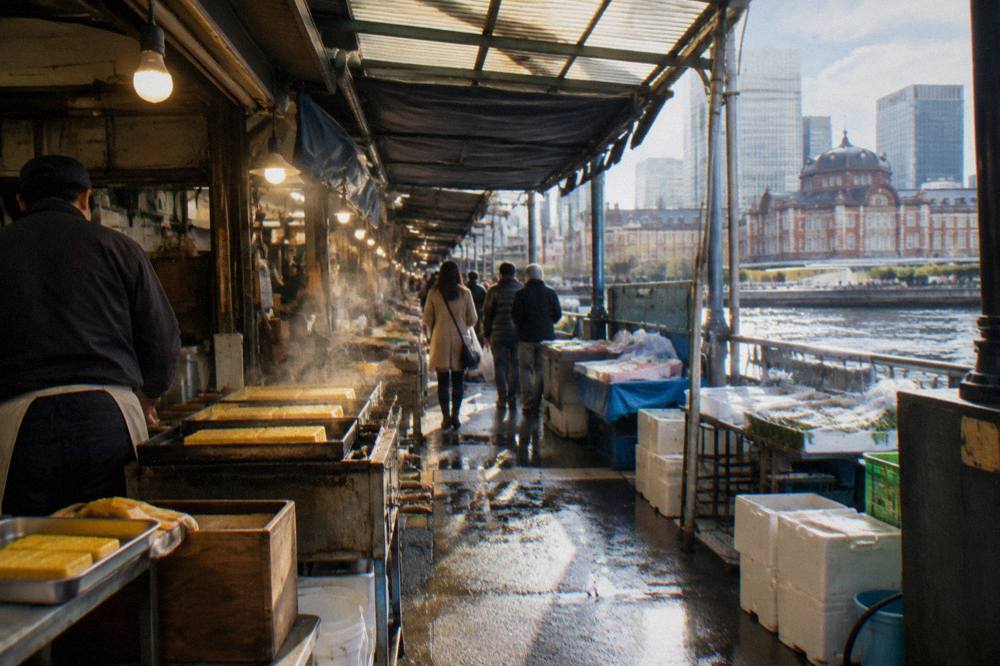
Begin where Tokyo's own food day begins: the outer market lanes of Tsukiji, which are at their best between 9:00 and 13:00. Check the calendar before you go, because the market closes on Wednesdays, Sundays and national holidays, and on those days many of the shops shut their doors too. That schedule comes from GO TOKYO, the city's official tourism site, and it is the single most useful planning fact for a first morning. Arrive late and you meet the crowds; arrive on a Wednesday and you meet shutters. The outer market never relocated; the wholesale and tuna auction functions moved to Toyosu in October 2018, but the walk-in food street stayed put, as The Ondo Tokyo notes. Building the whole first day around it, breakfast first, market lanes second, gives the trip a running start.
Breakfast before the market works too. NOA CAFE Ginza, a breakfast spot in Ginza rated 4.5 on Google across 3,668 reviews, is labelled inexpensive and booking recommended, with waffles, an egg sandwich and a tiramisu waffle among the order tags on its listing. For dessert-minded walkers, Age.3 ASAKUSA, rated 4.8 on Google across 4,352 reviews and labelled inexpensive and usually walk-in, lists sandwiches, creme brulee and a fried sandwich. Both sit in the opening quarter of a sensible day, and The Tokyo Food List's map of what is within a 10-minute walk is built for stitching exactly these stops together. The Japanese egg sandwich is a small institution in its own right, and a fried sandwich from an Asakusa counter eaten standing on the pavement is as Tokyo as anything on a shrine list. If these inexpensive counters leave you wondering what a sit-down meal elsewhere in the city might set you back, this breakdown of Tokyo restaurant meal prices by tier covers everything from budget lunches to splurge dinners.
One market-morning caution: the Tsukiji information centre has posted notices asking visitors to refrain from eating while walking and from guided tours during the year-end crowded period, and Chuo City bans street smoking outside designated areas, so pause at a stall-side counter for that tamagoyaki rather than walking with it. None of this diminishes the market; it just means the rhythm is stop, eat, move, repeat, rather than graze on the go. Vendors are working businesses, and the year-end notices exist because the lanes got genuinely unsafe at peak.
Which Ramen Counter Should You Not Miss In Tokyo?
Do not miss Jikasei MENSHO in Shibuya, a ramen counter holding a 4.8 Google rating across 4,480 reviews. Prices are inexpensive, seating is usually walk-in, and the order tags point straight to the spicy miso ramen, vegan tantanmen, and truffle ramen. It is the strongest walk-in ramen record in this set, and the usually walk-in label matters: no booking to fail, just a queue. The shop sits inside Shibuya PARCO, and the restaurant's own site carries the details. Vegan tantanmen on the same menu as a truffle bowl is unusual, and it makes the shop a rare compromise for a group that cannot agree. Ramen counters run on speed; at most shops you buy a meal ticket from a vending machine by the entrance, hand it over when seated, and the table turns over fast. Slurping is normal and expected.
Practical reading before you go: many small ramen shops and counters remain cash-only or cash plus IC card, while others take cards, and there is no uniform policy, so carry some cash. The queue itself is part of the experience, and a fast-moving line of regulars is usually the strongest signal a counter is worth joining. Tipping, by contrast, is simply not part of the picture: tipping is not customary in Japanese restaurants and staff may return a tip left behind, as japan-guide.com explains, though some higher-end and hotel restaurants add a 10 to 15% service charge. Do the arithmetic on that before you leave a note under a bowl.
If you land in a different neighbourhood, the walk-in principle still holds: among the 15 ramen records in the curated set, 10 are usually walk-in and only one carries a booking usually required label. Ramen is the most forgiving category in the city for travellers without a plan.
What Should Lunch In Tokyo Look Like?
Lunch should be either tempura at Kaneko Hannosuke in Nihonbashi, 4.2 on Google across 2,625 reviews, inexpensive and usually walk-in, or charcoal eel at Sumiyaki Unafuji's Yurakucho store, 4.4 on Google across 2,100 reviews, expensive and booking recommended. The two make a useful pair: one is a queue-and-ticket affair, the other a sit-down unagi kitchen where hitsumabushi, plain grilled eel and eel rice are the order tags on the listing. Unagi is a splurge category here: all four unagi restaurants are priced expensive, so treat it as the one big lunch of the trip. Tempura, meanwhile, is the queue you will thank yourself for joining, with maitake and takuan among the order tags; the restaurant's own site lists the shop's details.
| Food moment | Where | What to order | Booking label |
|---|---|---|---|
| Counter breakfast | NOA CAFE Ginza | Egg sandwich, tiramisu waffle | Booking recommended |
| Market graze | Tsukiji Outer Market lanes | Stall snacks between 9:00 and 13:00 | Usually walk-in |
| Fried sandwich stop | Age.3 ASAKUSA | Creme brulee, fried sandwich | Usually walk-in |
| Tempura lunch | Tempura Kaneko Hannosuke Nihonbashi | Maitake, takuan | Usually walk-in |
| Eel lunch | Sumiyaki Unafuji Yurakucho | Hitsumabushi, eel rice | Booking recommended |
Timing shapes lunch more than dinner. Many Tokyo restaurants close between lunch and dinner service, stop taking last orders before closing, and often close on Sundays, Mondays or national holidays, so a mid-afternoon tempura plan can fail on a Monday. Lunch is also, in general, the cheaper seat at the same kitchen, which is why spending the day's budget on eel at noon rather than at night makes sense on a fixed itinerary. Hitsumabushi, eel rice eaten in stages, is worth the premium on its own: the first stage plain, the second with seasoning, the third with broth. Booking ahead at Unafuji is a real instruction rather than a nicety, since the label says booking recommended and the crowd label says mixed, which means locals and travellers compete for the same seats. For the same one-dish focus done with fried food instead, the guide to Tokyo's single-dish specialists points you to the tempura and tonkatsu counters that justify planning a whole lunch around them.
Which Dinner Should You Book In Tokyo?
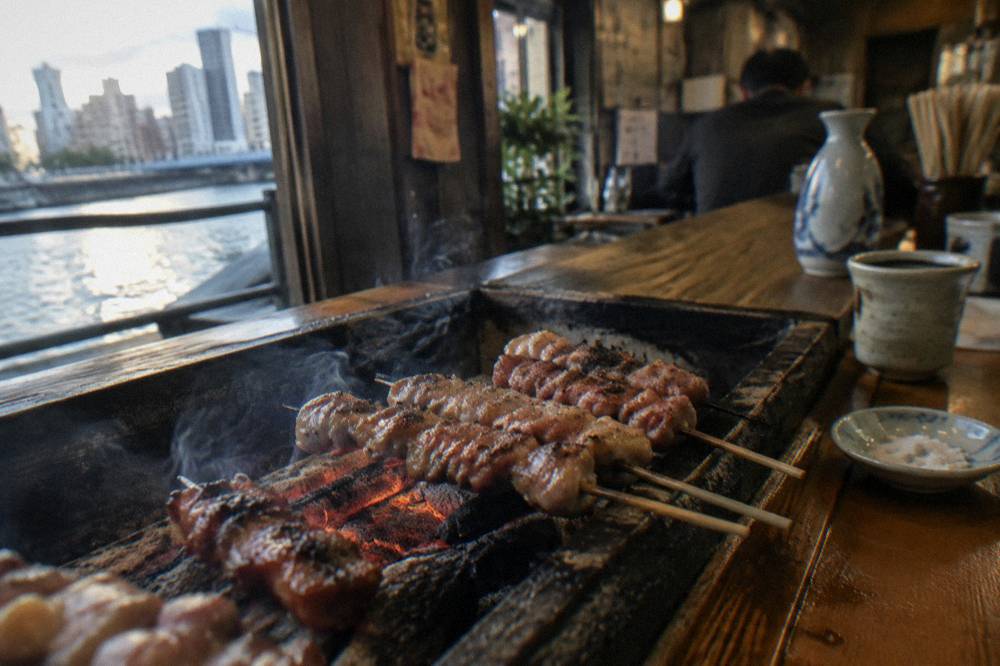
Book one yakitori or kushikatsu dinner and, if the budget allows, one counter sushi seat: Fukumimi Hanare in Shinjuku, 4.9 on Google across 2,688 reviews, moderate and booking recommended, or Shinjuku Sushi Hatsume, also 4.9, across 2,487 reviews, moderate and booking recommended with omakase on the order tags. Kushikatsu Tanaka's Higashi-Ginza store, 4.8 on Google across 4,494 reviews, inexpensive and booking recommended, pairs kushikatsu with takoyaki. The restaurant's own page is on Instagram at its Instagram listing. Two bookings is the right number for a four or five night trip: one splurge, one smoke-and-charcoal counter.
For a wagyu dinner without a fine-dining price, Yakiniku Kokokara's Ueno store, 4.8 on Google across 4,347 reviews, moderate and booking recommended, lists thick beef tongue and a sharing platter among its order tags, and the restaurant's own site carries the details. When a record says booking recommended, treat it as a real instruction rather than a suggestion: on the curated 100, 48 restaurants carry that label and only 45 are usually walk-in, so a night built entirely around walk-ins is a night built around queues. Our own guide flags reservation difficulty for every listing, which is the fastest way to see which of your picks need a booking and which do not. The booking question in Tokyo is not whether a place is good, it is whether you can get a seat at the hour you want it. For more restaurant picks beyond this table, The Tokyo Food List adds 980+ places sorted by cuisine, Google ratings and price ranges.
Should A Guided Food Walk Be On The List?
Yes, if only for one evening, because the Shinjuku Local Eateries Walk decodes the alleys rather than merely visiting them. One booking from $84.21 per person covers a three-hour route, a full meal and drinks, so a guided food walk belongs on the list. It is rated 4.9 across 10,498 reviews, caps groups at 12 travellers, and carries free cancellation, which removes the risk from committing a night to it. That is the differentiator: a local-guide format through neighbourhood eateries you would struggle to identify, let alone order in, on your first night. It slots naturally into the Fukumimi Hanare evening above, or replaces it if the Shinjuku side of the trip needs a plan.
A market version exists for the morning half of the day. The Tsukiji Market walk with five tastings runs three hours from $97.17 per person, is rated 4.9 across 3,868 reviews, takes up to 20 travellers, includes the tastings as a meal, and also carries free cancellation. It is a format-and-price contrast to the Shinjuku walk rather than a rival: same 4.9 rating tier, different meal, different end of the day. Pairing one evening walk with one morning walk covers both halves of the food day and leaves the remaining nights free for your own bookings.
For a fuller treatment of any single cuisine, the site's dedicated pages go deeper: the ramen guide, the yakitori and izakaya guide and the sushi guide each carry the full record sets. Best Restaurants Tokyo exists to answer this one question well, and the honest answer is that a great trip needs two or three anchored meals plus the freedom to walk in somewhere cheap and busy on instinct. That instinct, cheap and busy, is a better filter than any top-ten list, because in Tokyo a crowd at a counter is doing your research for you.
| Evening plan | Where | Price level | Booking label |
|---|---|---|---|
| Yakitori counter | Fukumimi Hanare, Shinjuku | Moderate | Booking recommended |
| Kushikatsu and takoyaki | Kushikatsu Tanaka Higashi-Ginza | Inexpensive | Booking recommended |
| Counter sushi omakase | Shinjuku Sushi Hatsume | Moderate | Booking recommended |
| Yakiniku spread | Yakiniku Kokokara Ueno | Moderate | Booking recommended |
What Should You Eat Late In Tokyo?
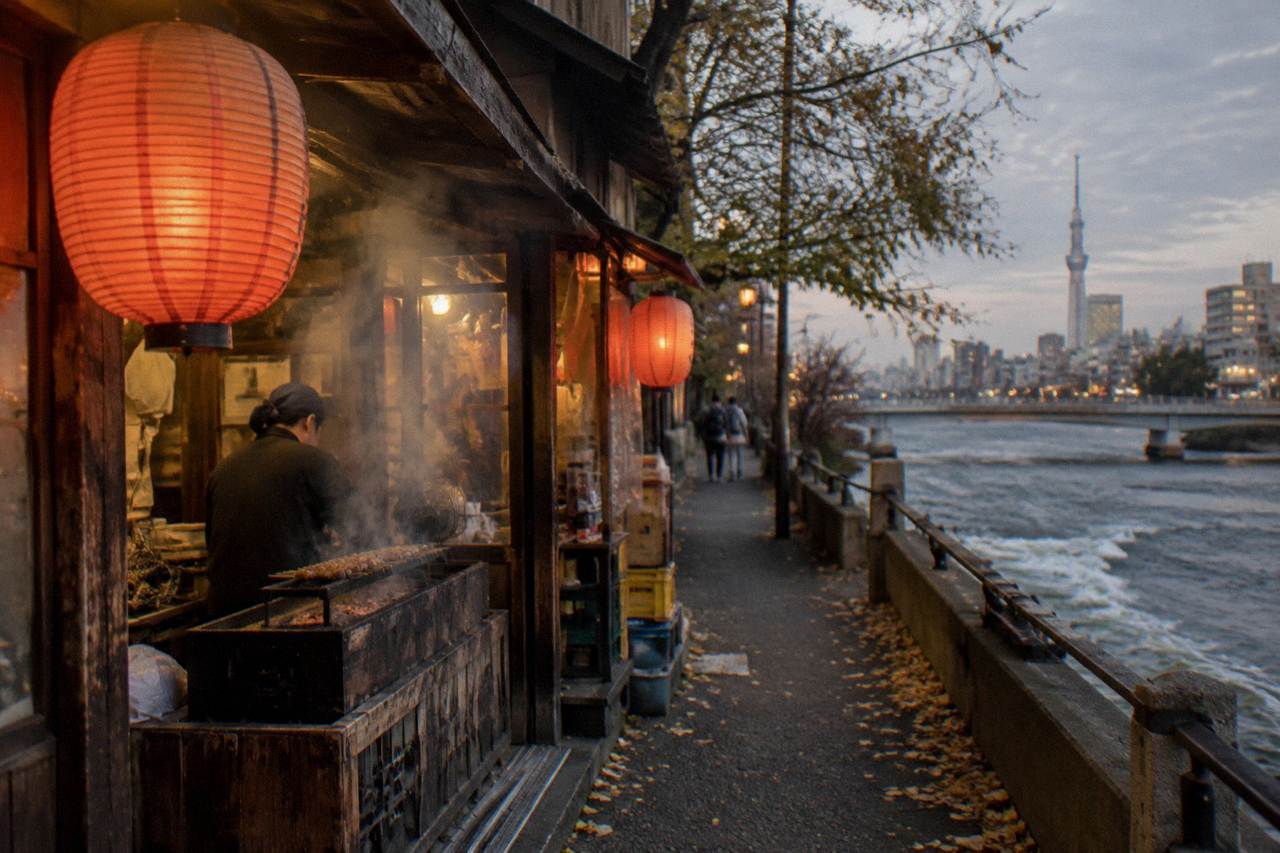
Late Tokyo means alleys, standing bars and the small charges that come with them: Omoide Yokocho's grilled lanes and Golden Gai's five-and-six-seat bars, where cover charges, entry minimums and time limits are the real customs to learn. In Omoide Yokocho, the merchants association states that some shops set a 90-minute time limit per group and some require each customer to order one drink and one food item on entry, so check before you sit. In Golden Gai, expect a per-person cover charge at many bars, often posted on the door, and note that the lanes are private roads where filming without the association's permission can bring fees. Yakitori skewers in these alleys are most often sold in twos, not singly, and saying omakase hands the choice to the counter, which is how most regulars order.
Teishoku set meals are the other late-night or anytime format worth knowing: everything arrives at once on a tray, rice, soup, main and sides, and diners are meant to alternate bites among the components rather than finishing each item in turn, as japanmanners.com describes. It is a small piece of code, but it marks you as someone who has eaten in Japan before. Several major chains, including some sushi and gyudon operators, apply a roughly 7% late-night surcharge on orders from 10:00 p.m. onward, so the same bowl costs more after ten than before it.
If the bar-hopping version of Shinjuku appeals more than finding these doors alone, the Golden Gai dinner walk runs three hours from $109.35 per person, rated 4.9 across 4,086 reviews, capped at seven travellers, with a full dinner and free-flow drinks included and free cancellation. Three hours, seven seats, someone else handling the door charges: that is the trade, and for a first night in the city it is often a fair one.
Common Questions About What Not To Miss In Tokyo
What Should I Not Miss In Tokyo?
A market morning at Tsukiji's outer lanes, a walk-in ramen counter such as Jikasei MENSHO, a charcoal eel or tempura lunch, a booked yakitori or kushikatsu dinner, and one counter sushi omakase. Every one of these is a food moment; none needs a museum pass.
Do I need reservations for any of these?
Split them: ramen and tempura records here are usually walk-in, while Shinjuku Sushi Hatsume, Fukumimi Hanare and Sumiyaki Unafuji are all labelled booking recommended. Book those before the trip, walk into the rest.
Is Tsukiji worth it now the wholesale market moved?
Yes. The wholesale operation moved to Toyosu in 2018, but the Tsukiji outer market food street never relocated. Go between 9:00 and 13:00 and avoid Wednesdays, Sundays and national holidays, when the market closes.
Should I do a guided food walk or go alone?
Go alone in markets and ramen queues, where the format is self-explanatory, and consider a guided walk for Shinjuku's alleys, where cover charges, ordering minimums and house customs are hard to read cold.
What is the cheapest unmissable meal in Tokyo?
Standing soba near a station and convenience store onigiri are the floor, but the best value sit-down moment among these records is kushikatsu at Kushikatsu Tanaka Higashi-Ginza, inexpensive at 4.8 on Google across 4,494 reviews.