Tempura, Tonkatsu And Unagi In Tokyo: The Single-Dish Specialists Worth Finding
Three single-dish traditions, twenty restaurants, and what the numbers actually say about where to eat tempura, tonkatsu and unagi in Tokyo.
Short answer
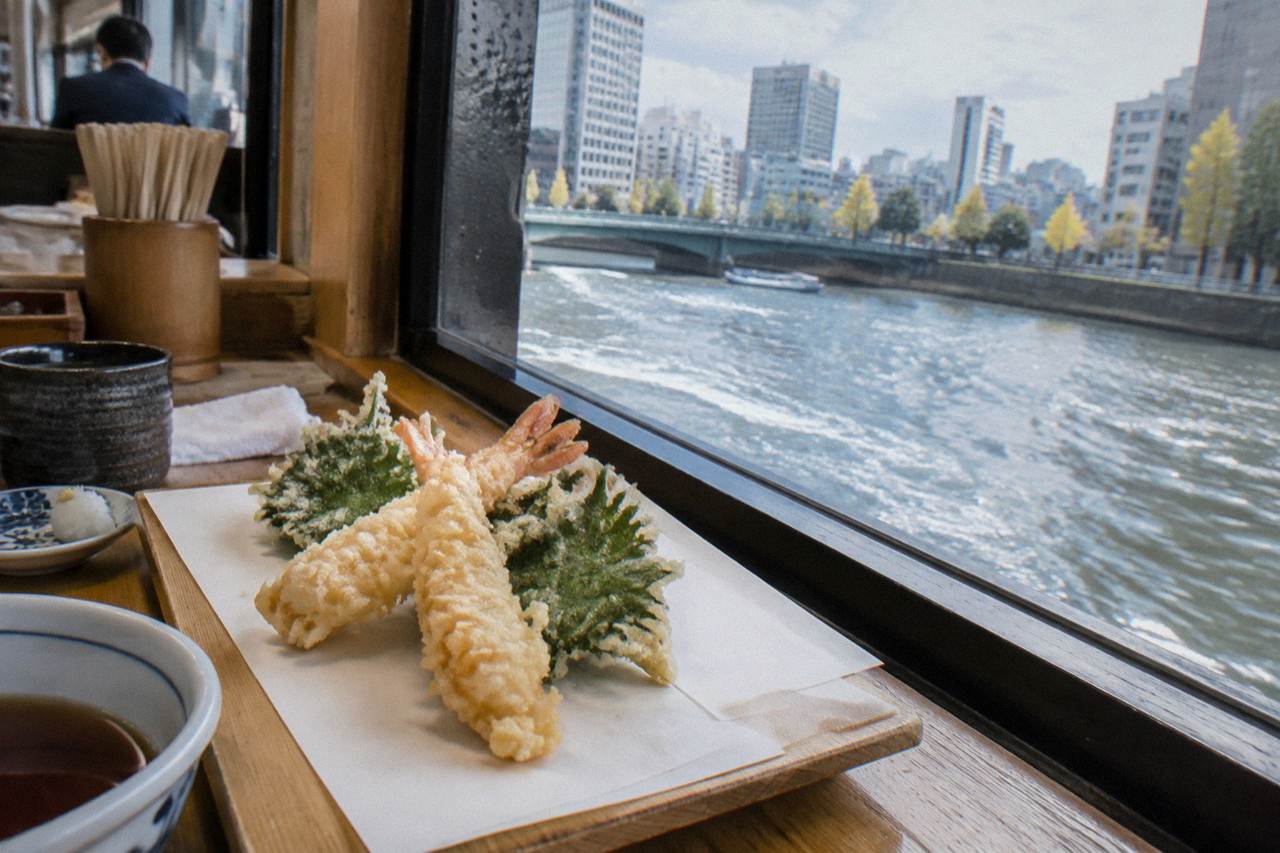
Tokyo's single-dish specialists gather around counters that do one thing. Among the 8 tempura, 8 tonkatsu and 4 unagi records here, tempura spans inexpensive tendon counters to the very expensive Mikawa Zezankyo, tonkatsu runs mostly moderate and walk-in, and all four unagi restaurants are expensive.
Tempura, tonkatsu and unagi are Tokyo's three great single-dish traditions: counters where the kitchen cooks one category of food and the menu barely stretches past it. Among the 20 restaurants on this site, tempura runs from inexpensive tendon counters in Nihonbashi to the very expensive Mikawa Zezankyo in Koto, tonkatsu leans moderate with seven of its eight counters labelled usually walk-in, and unagi is expensive across the board, all four carrying that price label. The pattern matters for planning, because it tells you where booking difficulty actually sits. Unagi and high-end tempura want a reservation; most tonkatsu counters do not.
This guide works through each tradition in turn: how it is served at the counter, what the Google listings show, and which restaurants fit which budget. Ratings, review counts, price levels and booking labels all come from those listings, so "usually walk-in" is a tendency rather than a promise. The wider picture sits in our own guide, The Tokyo Food List: 980+ Tokyo restaurants sorted by cuisine, Google ratings and price ranges, with reservation difficulty and booking links for each. The 100 restaurants on this site are a selection from it.
Why Single-Dish Counters Work So Well In Tokyo
Single-dish counters concentrate skill, sourcing and price transparency in one place, and the data shows it: 8 tempura, 8 tonkatsu and 4 unagi records here, and each restaurant's menu answers the only question that matters, what to order, before you sit down. The order tags below come straight from each record, so the decision at the counter is already half made.
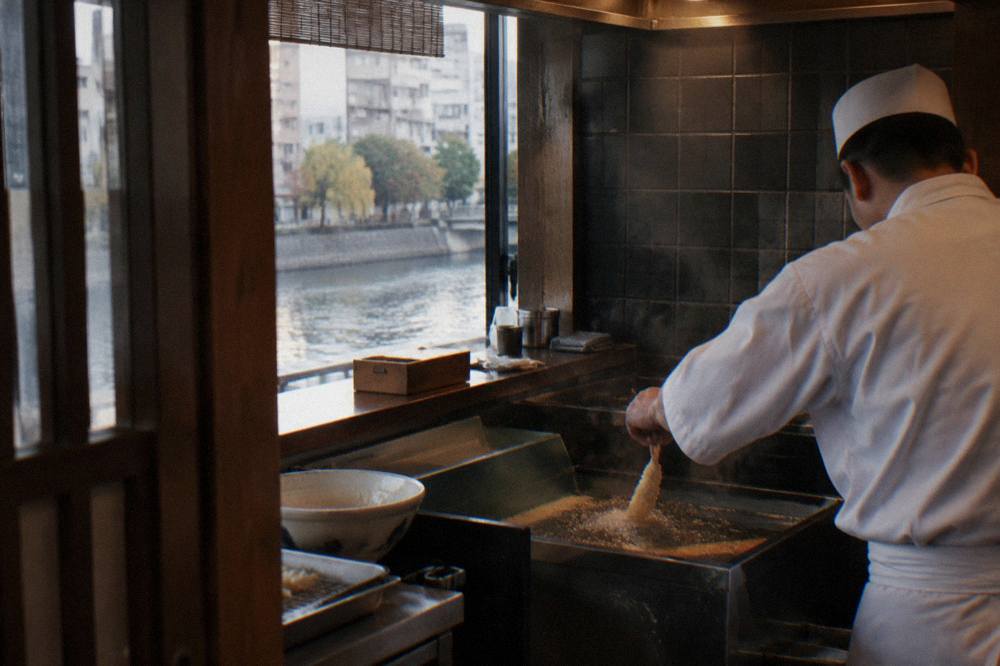
The format is old and deliberate. A tempura counter fries and serves pieces one at a time, so the diner eats each piece immediately, which is the entire point of the experience. The progression typically runs light to rich, starting with delicate items such as white-fleshed fish or shrimp and finishing with richer ones such as anago or kakiage. Tonkatsu counters ask one question before anything else: rosu, the juicier pork loin with a visible strip of fat, or hire, the leaner, softer fillet. Unagi restaurants grill eel over charcoal and serve it lacquered with sauce over rice, or plain without sauce, called shirayaki.
The single-dish model also narrows the booking question. When a restaurant cooks one thing, its seats turn over at a predictable rhythm, which is why 14 of the 20 records here are labelled usually walk-in and only 2, Mikawa Zezankyo and Tonkatsu Narikura, are labelled booking usually required. If you want the broader context of how Tokyo dining and reservation culture works across cuisines, the what to eat in Tokyo guide covers the full spread, and the cheap eats in Tokyo guide handles the inexpensive end of the same data.
The Best Tempura In Tokyo: What The Data Says
Eight tempura records, and the spread is wide: 3 inexpensive, 2 moderate, 2 expensive and 1 very expensive. Tempura Kaneko Hannosuke Nihonbashi is inexpensive and usually walk-in. The highest rating on Google is a tie at 4.8, shared by Satoumisatoyama Tempura and Tencha. At the top of the price band sits Mikawa Zezankyo, very expensive and booking usually required.
Tendon, the tempura rice bowl, is the entry point, and Kaneko Hannosuke in Nihonbashi is the record built for it: inexpensive, usually walk-in, a mixed crowd, and order tags of takuan, the pickled radish that cuts through the sauce, and maitake, the crackling hen-of-the-woods mushroom. The restaurant's own site lists the shop at kaneko-hannosuke.com. In Asakusa, Tencha does the same job at 4.8 across 436 reviews, inexpensive and usually walk-in, with kakiage, tendon mabushi gozen and shiba shrimp among its order tags. If the wagyu counter is booked out, The Tokyo Food List shows reservation difficulty for 980+ restaurants, so you can find tempura or tonkatsu nearby on the 10-minute walk map.
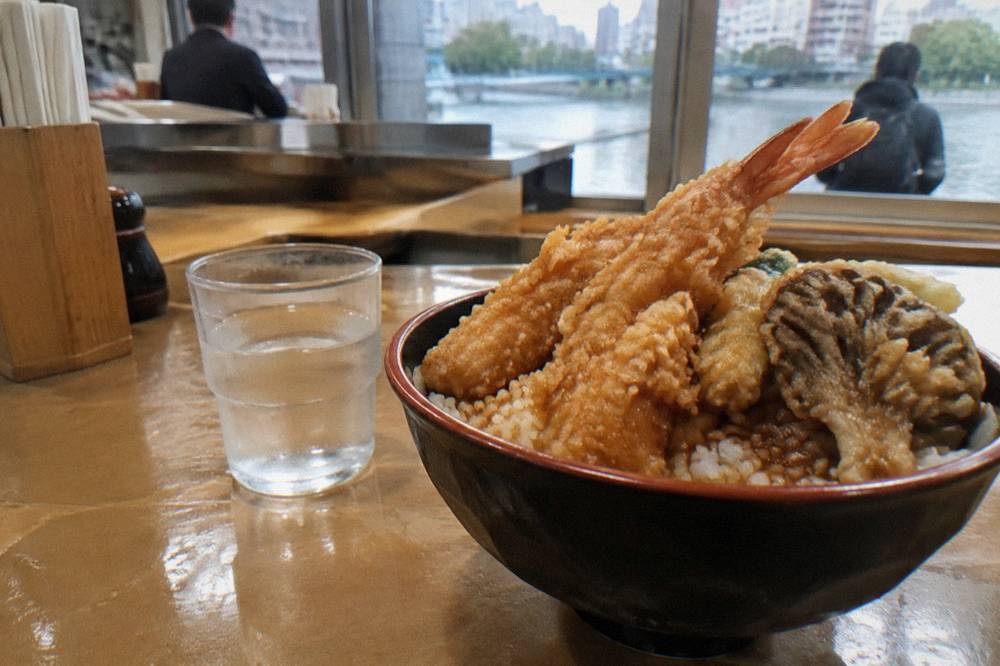
The counter end of the spectrum is different in pace and price. Doteno Iseya in Taito, expensive at 4.2 across 1,479 reviews and usually walk-in, carries order tags of tempura bowl, suimono and conger eel tempura, the last being the light-to-rich progression's classic finisher. Mikawa Zezankyo in Koto is the record that wants planning: very expensive, booking usually required, tending to draw a local crowd, with kuruma prawn, matsutake mushroom and shiso sea urchin among its order tags. Tempura Miyashiro in Meguro, expensive and booking recommended, lists chateaubriand and onigiri, an unusual pairing that tells you the kitchen fries beyond the standard repertoire.
| Restaurant | Ward / area | Google rating | Reviews | Price level | Booking label | What to order |
|---|---|---|---|---|---|---|
| Tempura Kaneko Hannosuke Nihonbashi | Chuo / Nihonbashi | 4.2 | 2,625 | inexpensive | usually walk-in | takuan, maitake |
| Doteno Iseya | Taito / Nihonzutsumi | 4.2 | 1,479 | expensive | usually walk-in | tempura bowl, suimono, conger eel tempura |
| Satoumisatoyama Tempura | Shinjuku | 4.8 | 504 | inexpensive | booking recommended | tendon, tempura ice cream, kakiage |
| Tencha | Taito / Asakusa | 4.8 | 436 | inexpensive | usually walk-in | kakiage, tendon mabushi gozen, shiba shrimp |
| Rare Tendon Ginza Mitsuyoshi Ginza Honten | Chuo / Ginza | 4.4 | 648 | moderate | booking recommended | rare tempura bowl, tendon |
| Mikawa Zezankyo | Koto / Fukuzumi | 4.3 | 653 | very expensive | booking usually required | kuruma prawn, matsutake mushroom, shiso sea urchin |
| Hakata Tempura Takao | Shibuya | 4.2 | 559 | moderate | usually walk-in | mentaiko, asazuke, kelp |
| Tempura Miyashiro | Meguro | 4.6 | 305 | expensive | booking recommended | chateaubriand, onigiri |
Two booking-recommended records, Satoumisatoyama and Rare Tendon Ginza Mitsuyoshi, sit in the moderate and inexpensive bands, which is worth noticing: cheap does not always mean walk-in. If a tempura stop in Asakusa is on your route, the nearby market tradition is a natural pairing. The Tsukiji Market, 5 Tastings walk, from $97.17 per person, 4.9 across 3,868 reviews, three hours with a meal included and free cancellation, moves through the outer market's food stalls with a guide, a useful warm-up for the temple-and-tendon loop east of the centre. You can Check availability on the live listing.
Tonkatsu In Tokyo: Loin, Fillet And The Walk-In Advantage
Eight usable tonkatsu records, and the shape holds together: 5 moderate, 2 inexpensive, 1 very expensive, with 7 of 8 labelled usually walk-in. The most-reviewed is Tonkatsu Marugo in Kanda at 4.5 on Google, and the highest rated is the Ginza katsudon counter #カツ丼は人を幸せにする 銀座店 at 4.9, inexpensive and usually walk-in.
Tonkatsu is the easiest of the three traditions to eat on impulse. Only Tonkatsu Narikura in Suginami breaks the pattern, very expensive and booking usually required, with order tags of mille feuille cutlet, omakase and chateaubriand, a sign of a kitchen treating pork with the same sequencing a wagyu counter gives beef. Everywhere else in the set, you queue, you sit, you choose rosu or hire, and the set arrives with rice, shredded cabbage and soup.
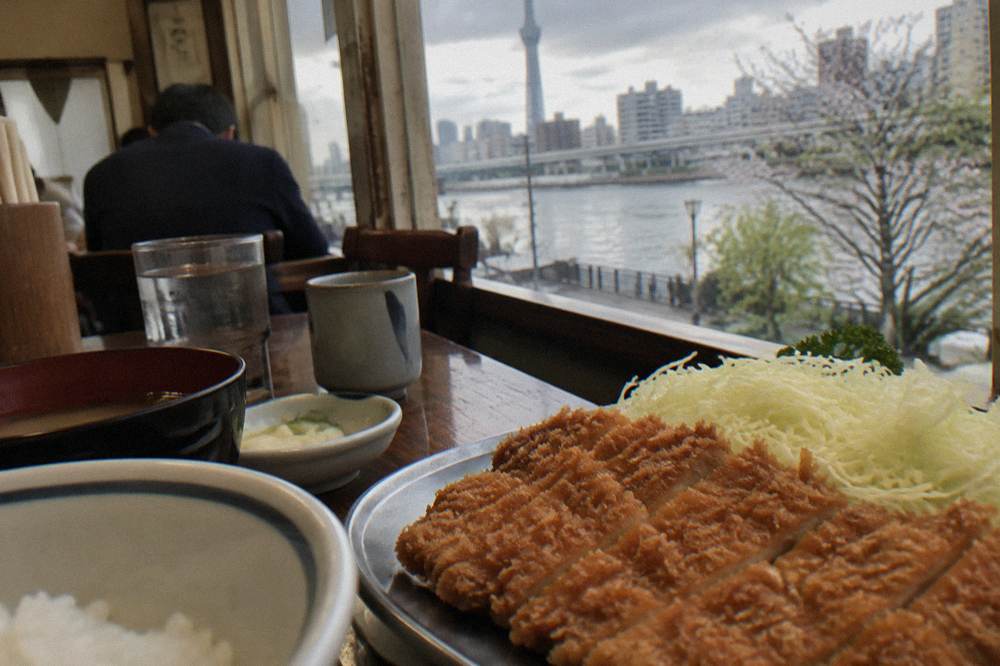
Marugo in Kanda is the volume anchor of the cuisine, 4.5 on Google, moderate, usually walk-in, a mixed crowd, with order tags of special loin, fried pork cutlet and red miso soup; the restaurant's own site is at tonkatsumarugo.shop. Happiness is KATSUDON Akasaka flips the format from cutlet set to rice bowl, katsudon and katsu among its tags, and its inexpensive label keeps a full meal within reach. Its sibling, #カツ丼は人を幸せにする 銀座店 in Ginza, rated 4.9 on Google, is the other inexpensive katsudon counter in the set, also usually walk-in. In Asakusa, Danki Tonkatsu at 4.7 on Google lists menchi-katsu, the minced-meat fry sold at street windows across the neighbourhood, alongside pork loin and sashimi.
| Restaurant | Ward / area | Google rating | Reviews | Price level | Booking label | What to order |
|---|---|---|---|---|---|---|
| Tonkatsu Marugo | Chiyoda / Kanda | 4.5 | 3,115 | moderate | usually walk-in | special loin, fried pork cutlet, red miso soup |
| Happiness is KATSUDON Akasaka | Minato / Akasaka | 4.8 | 1,541 | inexpensive | usually walk-in | katsudon, katsu |
| Danki Tonkatsu | Taito / Asakusa | 4.7 | 626 | moderate | usually walk-in | menchi-katsu, pork loin, sashimi |
| Kimini, ageru. | Toshima / Ikebukuro | 4.5 | 680 | moderate | usually walk-in | butajiru, wasabi, fillet cutlet |
| Tonkatsu Den | Edogawa / Nishikasai | 4.4 | 676 | moderate | usually walk-in | fillet cutlet, kaki furai, menchi katsu |
| Tonkatsu Tsukiuma SHIBUYA | Shibuya | 4.4 | 652 | moderate | usually walk-in | butajiru, katsudon, chicken egg |
| Tonkatsu Narikura | Suginami / Naritahigashi | 4.2 | very expensive | booking usually required | mille feuille, omakase, chateaubriand |
Set meals at these counters follow the teishoku pattern: everything arrives at once on a tray, rice, soup, main and pickles, and the diner moves between components rather than finishing each in turn. That rhythm is part of the meal, not a service fault. If you are staying west of the centre, the best restaurants in Shinjuku guide places several of these wards on a map, and The Tokyo Food List adds a walk-time map so you can see which counters sit within 10 minutes of your base.
Unagi In Tokyo: Charcoal Eel And The Expensive Band
All four unagi records carry the expensive price label, and none is very expensive. Booking splits evenly: 1 booking recommended, 3 usually walk-in. The most-reviewed is Sumiyaki Unafuji Yurakucho Store, 4.4 on Google across 2,100 reviews, while Unagiya in Toshima leads on rating at 4.5 across 671 reviews.
Unagi is the priciest of the three traditions here because the ingredient itself has become scarce. Japan's wild Japanese eel catch fell to a record low of 52 tons in 2024, down from a 1961 peak of 3,387 tons, according to government data reported by NHK WORLD-JAPAN, and roughly 70 percent of Japan's eel supply in recent years came from imports, mostly from China, according to The Japan News. Domestic wholesale prices have lately eased, with live eel prices down about 40 percent year on year by April 2026, News On Japan reports, and there is speculation restaurant prices could follow. For now, expect the expensive band to hold. The rest of the planning pages sit on Best Restaurants Tokyo.
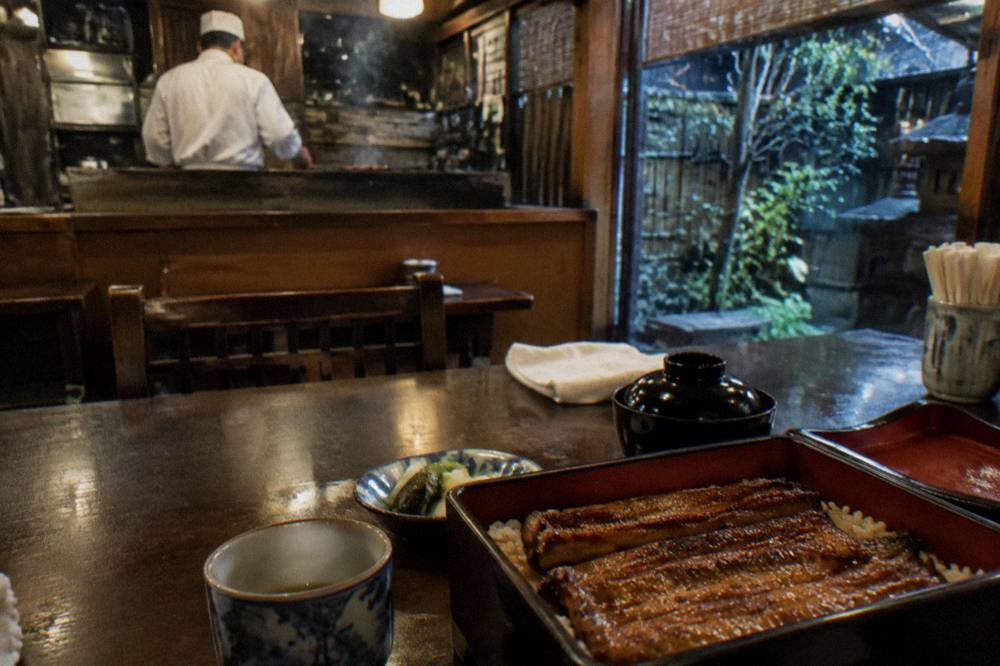
The classic Tokyo order is hitsumabushi at Sumiyaki Unafuji's Yurakucho branch, expensive and booking recommended, where the eel rice is eaten in stages: plain, then with condiments, then with broth. Plain grilled eel without sauce, shirayaki, appears in the order tags at both Unagi Obana in Arakawa and Nodaiwa Azabu Iikura Honten in Minato, and it is the way to taste the eel itself rather than the tare. Nodaiwa's own site carries the shop details at nodaiwa.co.jp. Unagiya, the highest rated at 4.5, lists a grilled eel liver, eel over rice and a special eel box.
| Restaurant | Ward / area | Google rating | Reviews | Price level | Booking label | What to order |
|---|---|---|---|---|---|---|
| Sumiyaki Unafuji Yurakucho Store | Chiyoda / Uchisaiwaicho | 4.4 | 2,100 | expensive | booking recommended | hitsumabushi, plain grilled eel, eel rice |
| Nodaiwa Azabu Iikura Honten | Minato / Azabu | 4.3 | 1,679 | expensive | usually walk-in | eel over rice, grilled eel without sauce, nikogori |
| Unagi Obana | Arakawa / Minamisenju | 4.3 | 1,425 | expensive | usually walk-in | kimosui, shirayaki |
| Unagiya | Toshima / Minaminagasaki | 4.5 | 671 | expensive | usually walk-in | grilled eel liver, eel over rice, special eel box |
Unagi kitchens typically close between services and often close on Sundays, Mondays or national holidays, a pattern common across Tokyo restaurants, so a mid-evening arrival can meet a shut door. Lunch is usually far cheaper than dinner at the same restaurant, a pattern Japan Brand Collection, working with japan-guide.com, illustrates with one Ginza sushi counter charging roughly 9,000 yen at lunch against about 20,000 yen at dinner, and the same logic applies to unagi's boxed sets. A morning or midday unagi stop, followed by neighbourhood wandering, is the reliable plan.
Tempura, Tonkatsu Or Unagi: Comparing The Three Traditions
Across the 20 records, tempura is the cheapest tradition overall with 3 of 8 records inexpensive, tonkatsu is the most walk-in friendly with 7 of 8 usually walk-in, and unagi is the most uniform, expensive at every record but never very expensive. Booking usually required appears exactly twice in the whole set, once in tempura, once in tonkatsu, and never in unagi.
The comparison table below is computed only from the records listed in this guide, so treat it as a view of these 20 restaurants rather than of Tokyo at large.
| Tradition | Records | Inexpensive | Moderate | Expensive | Very expensive | Usually walk-in | Booking recommended | Booking usually required |
|---|---|---|---|---|---|---|---|---|
| Tempura | 8 | 3 | 2 | 2 | 1 | 4 | 3 | 1 |
| Tonkatsu | 8 | 2 | 5 | 0 | 1 | 7 | 0 | 1 |
| Unagi | 4 | 0 | 0 | 4 | 0 | 3 | 1 | 0 |
| Total | 20 | 5 | 7 | 6 | 2 | 14 | 4 | 2 |
Tempura counters in Tokyo: rating, price, booking
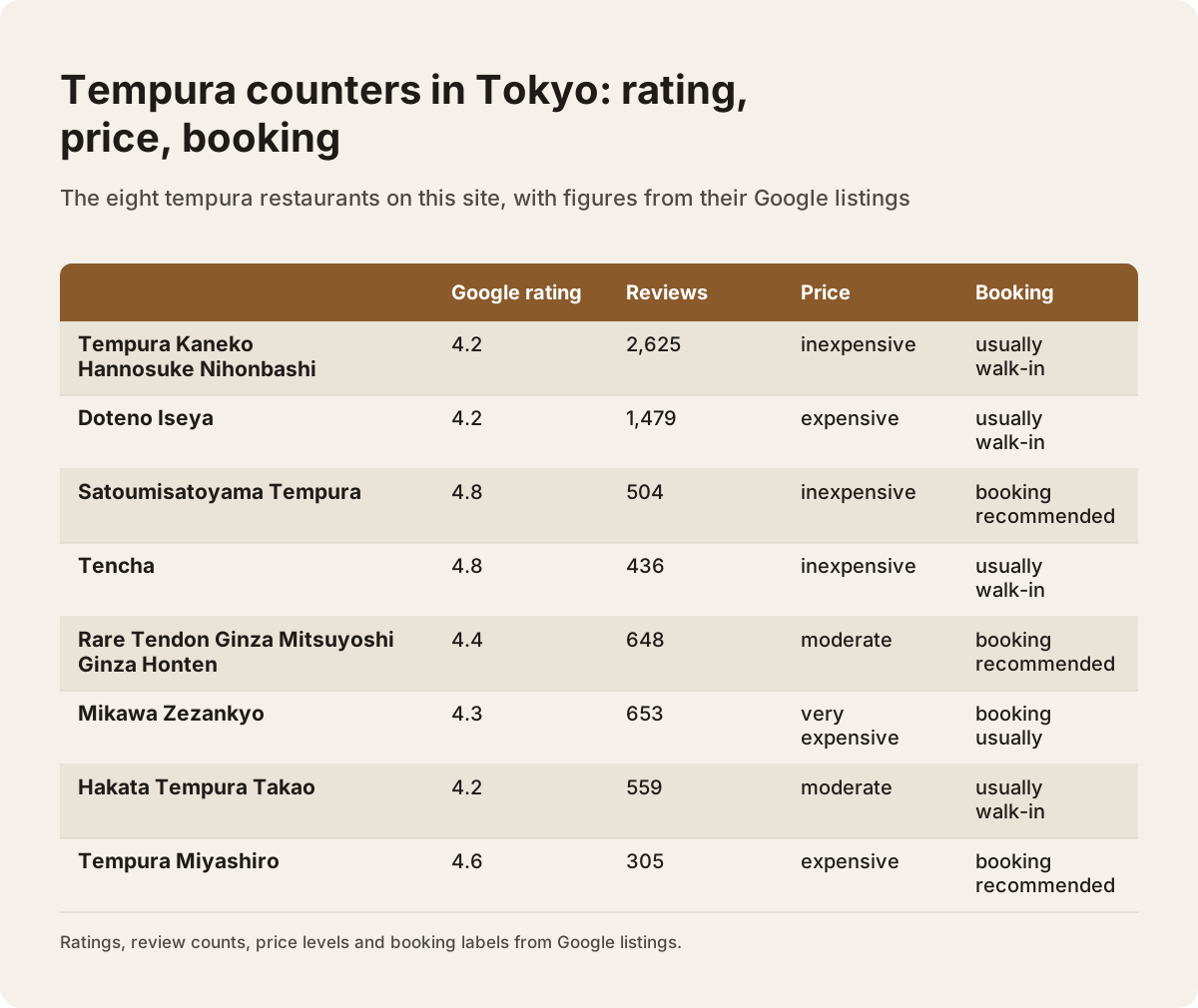
Price level, it turns out, does not predict booking difficulty here. The two usually-required records sit at the very expensive band, but the expensive records elsewhere, Doteno Iseya, Tempura Miyashiro, all four unagi shops, are mostly walk-in or booking recommended. What predicts difficulty is the counter format itself: a small room where the chef cooks for the seats in front of them fills by queue or by calendar, not by price. If you are weighing these three traditions against the rest of the city's single-dish scenes, the best ramen in Tokyo guide covers the same walk-in-versus-booking split from the noodle side, and the best restaurants in Shibuya guide locates the Shibuya records on the ground.
How To Plan A Day Around All Three
A realistic single-day route pairs one walk-in tonkatsu lunch with a late-afternoon tempura stop and moves unagi to a planned meal, because unagi's booking and closure patterns make it the one tradition that punishes improvisation. Start where the crowds are thinnest, usually the wards outside the centre, and finish near a station you already need.
Morning is for the markets and the temple areas. Asakusa holds Tencha for tendon and Danki Tonkatsu for menchi-katsu, both usually walk-in, both inexpensive or moderate, and both in the same walkable ward. The afternoon belongs to a tempura counter: Kaneko Hannosuke in Nihonbashi if the queue is short, or Hakata Tempura Takao in Shibuya at 4.2 across 559 reviews if you are moving west. Evening is unagi, and that is the meal to have a plan for.
If queueing and closure patterns sound like work, a guided evening removes the guesswork. The Shinjuku Local Eateries Walk, from $84.21 per person, 4.9 across 10,498 reviews, three hours, a maximum of 12 travellers, with a meal and drinks included and free cancellation, moves through Shinjuku's back-street counters with someone who already knows which doors open when. Check availability on the live listing if that fits your dates.
For the meals you plan yourself, booking language matters. The Food List labels are tendencies taken from the Google listings: usually walk-in means go and queue, booking recommended means a reservation improves your odds materially, booking usually required means do not turn up without one. The Tokyo Food List, our own guide, prints the reservation difficulty and booking link for every one of its 980+ restaurants, so the two minutes of checking happens before you leave the hotel, not at the door. Tipping, for the record, is not customary at any of these counters.
Common Questions About Tempura, Tonkatsu And Unagi In Tokyo
What is the best tempura in Tokyo?
By Google rating among the records here, Satoumisatoyama Tempura (4.8 across 504 reviews) and Tencha (4.8 across 436 reviews) lead, both inexpensive. By volume, Tempura Kaneko Hannosuke Nihonbashi (4.2 across 2,625 reviews) is the most-reviewed. The very expensive counter Mikawa Zezankyo is the specialist pick, booking usually required.
Do tonkatsu restaurants in Tokyo take reservations?
Mostly they do not need them: 7 of the 8 tonkatsu records here are labelled usually walk-in. The exception is Tonkatsu Narikura in Suginami, very expensive and booking usually required.
Why is unagi in Tokyo expensive?
The ingredient is scarce. Japan's wild eel catch fell to 52 tons in 2024 from a 1961 peak of 3,387 tons, and around 70 percent of supply is imported. All four unagi records in this guide carry the expensive price label.
Which is cheapest: tempura, tonkatsu or unagi?
Tempura has the most inexpensive records, 3 of 8, with tonkatsu close behind at two of eight. Unagi has no inexpensive or moderate records at all.
What should I order at a tempura counter?
Work from the order tags in the records: tendon or kakiage at inexpensive shops, conger eel tempura at Doteno Iseya, and kuruma prawn at Mikawa Zezankyo. Counters serve pieces one at a time, so eat each as it lands.
Can I walk in for lunch at these restaurants?
Usually yes. 14 of the 20 records here are labelled usually walk-in, and lunch is typically cheaper than dinner at the same counter. Check the closure day before you go, since many Tokyo restaurants close between services or on fixed weekdays.