Is It Rude In Japan To Not Finish Food?
A sourced answer to whether leaving food on the plate is rude in Tokyo, covering ramen counter turnover, otoshi table charges, ticket machines and the habits that actually cause offence.
Is It Rude In Japan To Not Finish Food?
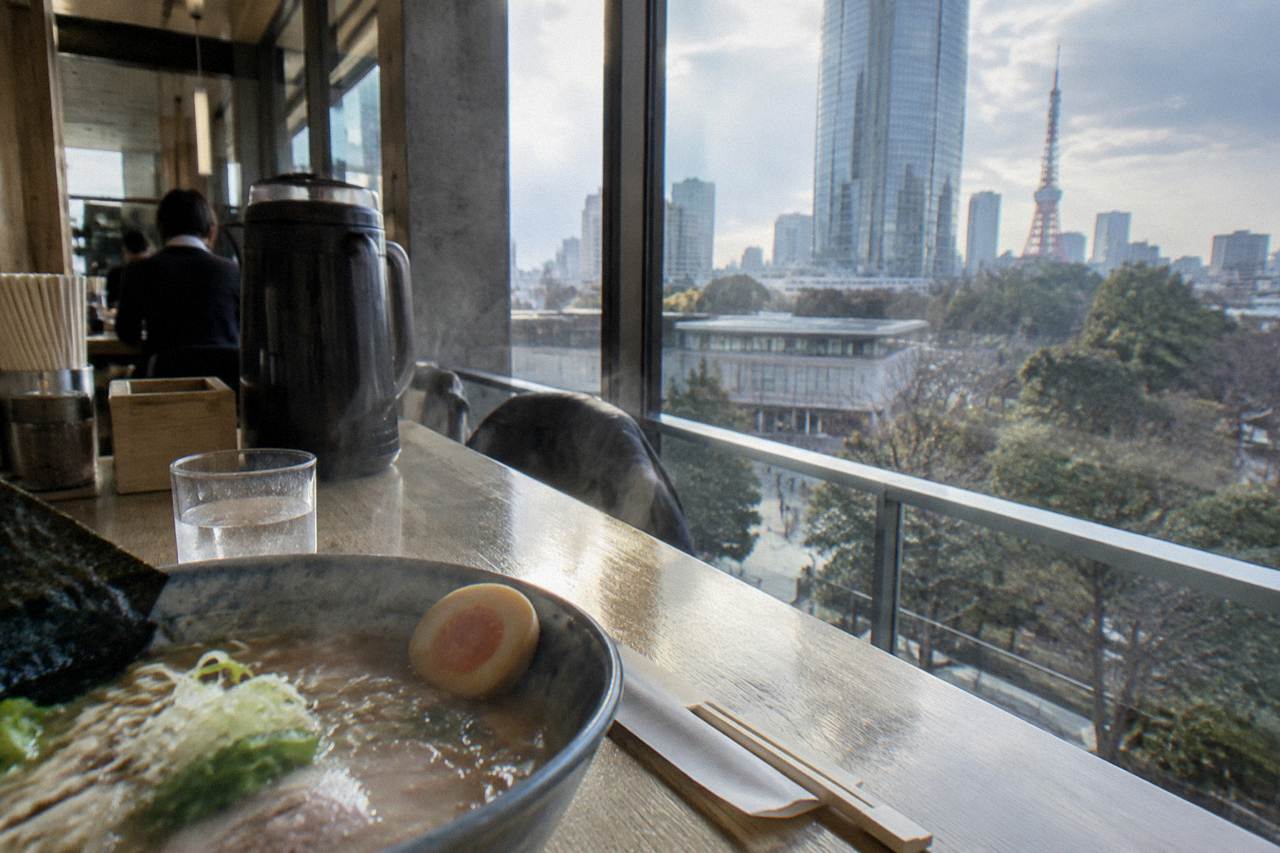
No, it is not considered a serious slight in Japan to leave a small amount of food on your plate, so travellers should not feel they must clear every dish. In Tokyo, there is no widely held convention that treats finishing every last grain as a duty owed to the host. The manners that carry real weight in the city sit elsewhere: how you order at a ticket machine, how quickly you eat and vacate a counter seat, and how you handle the otoshi appetiser that arrives unasked at an izakaya. Waste is generally viewed with mild regret rather than moral judgement, so a plate left with a little rice on it reads as ordinary, not offensive, and etiquette guides do not treat the clean plate as a requirement.
That said, the question deserves a proper answer rather than a shrug, because the situations where food goes unfinished differ. A bowl at a packed ramen counter, a teishoku tray at lunch and a skewer plate at a standing yakitori alley each come with their own expectations, and a visitor who understands the setting usually stops worrying about the wrong things. This article works through the etiquette venue by venue, and points to where portion judgement actually matters. Our own guide, The Tokyo Food List, sorts 980+ Tokyo restaurants by price range, reservation difficulty and what to order, which is the practical half of never facing a bowl you cannot finish in the first place. Once portion worries are settled, the guide to the Tokyo food stops you shouldn't skip covers everything from morning market lanes to late yakitori counters, including which places genuinely need a reservation.
Why Slurping Ramen In Tokyo Is Expected, Not Rude
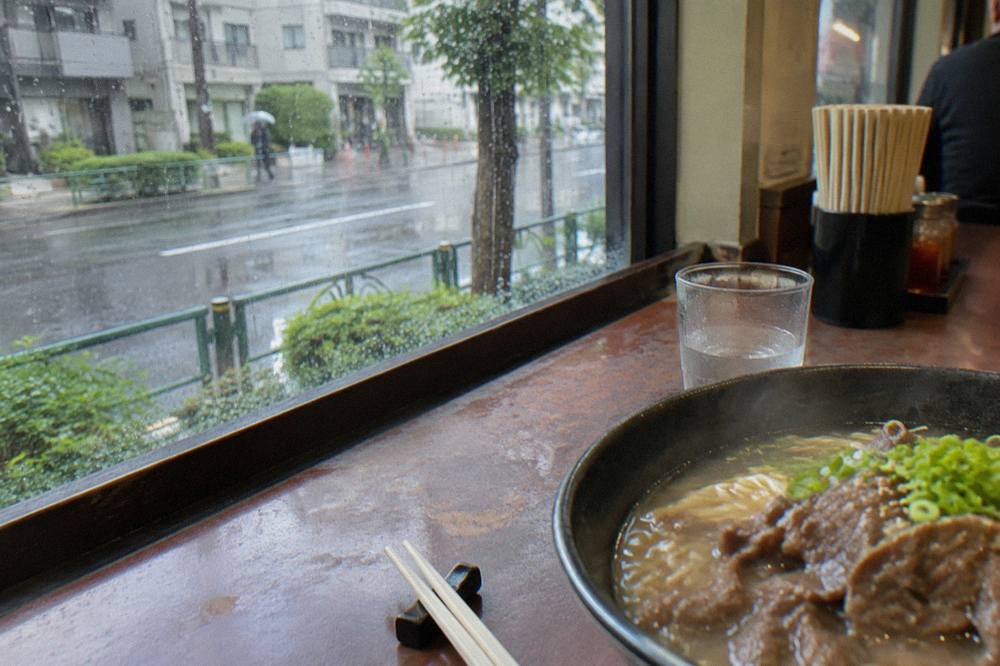
Yes, slurping ramen in Tokyo is expected rather than rude. At the city's noodle counters, audibly drawing noodles is normal, socially accepted behavior, and etiquette guides describe fast, focused eating as the polite way to finish a bowl rather than lingering over a half-finished one. TripGuide.Tokyo's ramen shop etiquette guide notes that slurping is normal at most shops and that turnover is fast, so diners are expected not to linger once finished. In other words, the counter culture rewards finishing promptly and moving on, far more than it polices the last mouthful left in the bowl or the final splash of broth at the bottom.
This matters for the unfinished-food question in a specific way. At a busy counter with a line behind you, the mildly rude act is occupying a seat for a long time after your bowl has gone cold, not leaving a splash of broth. Ramen is served at a temperature and pace designed for a short meal, and the shop's economics depend on seats turning over quickly. If you cannot finish, finishing your noodles and leaving broth is unremarkable; many regulars do exactly that, particularly with the rich tonkotsu styles that are heavy on fat and genuinely hard to complete. If you are still working out where to eat in Tokyo, The Tokyo Food List lays out 980+ restaurants with what to order and Google Maps pins.
The etiquette around teishoku set meals adds a related nuance. Japan Manners explains that teishoku trays arrive all at once, with rice, soup, main and sides, and diners are meant to alternate bites among the components rather than finishing each item sequentially. The signal of a finished, satisfied meal is moving between components and ending with the rice largely done, not a forensic clean plate. Visitors who worry about offence can treat the alternating pattern as the goal and portion size as a separate, practical question solved by ordering less rather than by forcing everything down.
How Ticket Machines And Fast Turnover Shape Tokyo Counter Manners
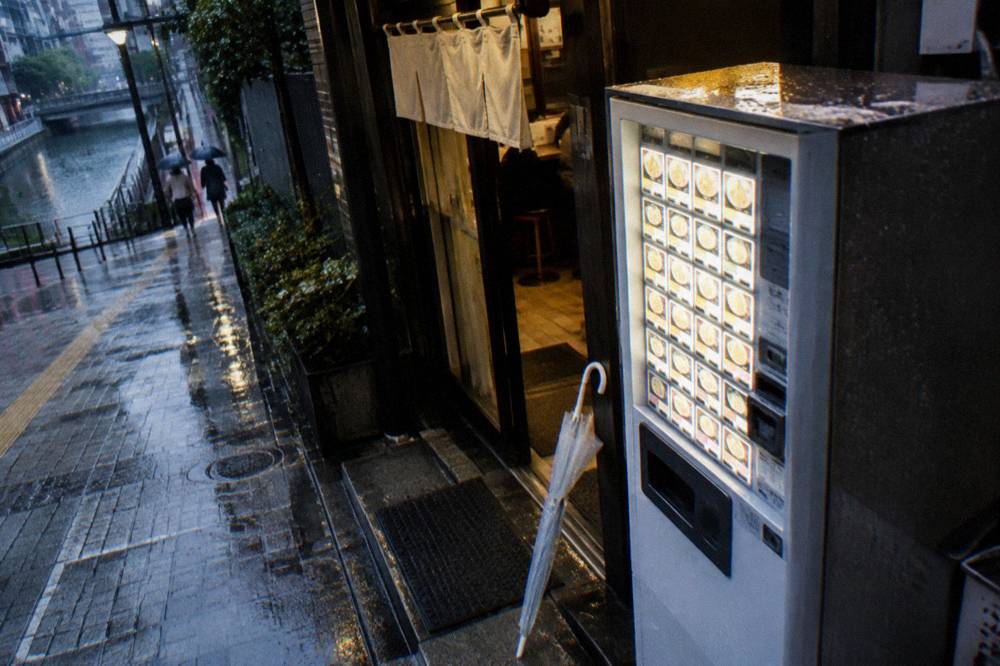
In most Tokyo ramen shops, your order starts at a ticket vending machine near the entrance: you pay first, with cash or, increasingly, an IC card, and choose your portion on the spot, before a single noodle is cooked. That self-serve, pay-first setup keeps the counter moving and shapes how diners eat and give up their seat for the next bowl. Japan Bites' guide to the ticket machine describes exactly this flow: choose your dish, pay, collect a paper ticket and hand it over once seated. Touch-panel machines with an English language toggle and photos are increasingly common at tourist-facing and chain shops, which makes the portion decision easier to make deliberately rather than by pointing at a wall menu and hoping.
The practical advice is simple: order the regular size first. Upsizing at the machine is a one-button choice if you are still hungry, while an unfinished large bowl helps nobody. The machine also forces the decision before you see anyone else's portion, so a moment of thought at the touchscreen does more for your etiquette than any amount of plate-clearing later. Some popular shops have moved beyond pure queuing, issuing same-day numbered tickets from the morning, so your slot may be fixed well before you eat and there is no pressure to over-order once inside.
The shops in this article illustrate the range of walk-in ramen experiences where this practice plays out. All three ramen restaurants below carry the usually walk-in label on The Tokyo Food List, and their ratings come from the Google listings, so a visitor can walk in, study the machine and order the smaller bowl without any reservation logistics hanging over the meal.
| Restaurant | Ward and area | Google rating | Price level | Booking label |
|---|---|---|---|---|
| Jikasei MENSHO | Shibuya | 4.8 across 4,480 reviews | inexpensive | usually walk-in |
| Afuri Shibuya Dōgenzaka | Shibuya | 4.8 across 3,278 reviews | inexpensive | usually walk-in |
| Tsujita Ochanomizu | Chiyoda, Kanda | 4.5 across 3,657 reviews | moderate | usually walk-in |
Each offers a distinct order-tag specialisation worth knowing before you buy your ticket: Jikasei MENSHO's listing points to spicy miso ramen, a vegan tantanmen and a truffle ramen, while Afuri Shibuya Dōgenzaka is tagged for yuzu ramen, shio ramen and char siew rice, and Tsujita Ochanomizu for tsukemen with sudachi and togarashi. Tsukemen in particular arrives as dipping noodles plus a concentrated broth, a format where leaving some broth is entirely standard. The vegan tantanmen tag at Jikasei MENSHO is what the listing says; the restaurant's own page at menya-shono.com carries the current menu.
One way to sidestep the whole portion question is to make the bowl yourself. The Shibuya ramen cooking class covers tonkotsu, shoyu and miso styles in 90 minutes, from $113.36 per person, with a 5.0 rating across 259 reviews, a maximum of 20 travellers, free cancellation and the meal you prepare included. Building a bowl from the broth out teaches portion sizing more vividly than any etiquette guide, and the class format means nothing on the counter goes to waste.
A related angle on the cost of a bowl, and why people hesitate to leave one unfinished, is covered in how much one bowl of ramen costs elsewhere on this site.
What Otoshi Means When You Cannot Finish It In Tokyo
Otoshi is a small appetiser served automatically at most izakaya and functions as a per-person table charge, typically a few hundred yen and up to around a thousand at nicer places, so it arrives whether or not you eat it. Tokyo.how's guide to restaurant charges explains that it is tied to the seat, that it can sometimes be declined politely before eating, and that often it stands regardless. For the unfinished-food question, the key point is that leaving otoshi half-eaten does not remove the charge and is not read as an insult to the kitchen or the staff.
This is where visitors tie themselves in knots. A plate of small dishes lands unasked, feels like a gift, and then sits there while you work on your yakitori. The honest framing is that it is closer to a cover charge with food attached than to a course you must complete, and treating it that way removes the anxiety entirely. Kushikatsu Tanaka's Higashi-Ginza store, 4.8 on Google across 4,494 reviews, inexpensive and labelled booking recommended with a mixed crowd, sits squarely in that izakaya style; its order tags list takoyaki and kushikatsu, bite-sized items that make any cover-charge plate easy to finish anyway. Everything else covered here is indexed on Best Restaurants Tokyo.
Izakaya manners in general have their own logic, and they are worth a separate read in izakaya etiquette for Tokyo visitors. The short version relevant here: sharing plates is normal, ordering in rounds is normal, and the pressure to clear everything is low. What carries weight is settling the cover-charge convention gracefully and not treating the automatic appetiser as an error on the bill when it appears.
Which Tokyo Dining Habits Actually Cause Offence
The behaviours that genuinely register as rude in Tokyo are slow lingering at busy counters, ignoring ticket-machine and last-order conventions, and touching shared or moving food you do not take, not an unfinished plate left behind after a genuine attempt. The consistent theme is flow and consideration for the kitchen and the queue. TripGuide.Tokyo's ramen guide covers fast turnover and not lingering, and Japan Brand Collection, in collaboration with japan-guide.com, notes that many Tokyo restaurants close between lunch and dinner service and stop taking last orders before closing, so arriving late or stretching a meal past last order disrupts a hard operational boundary. With counter etiquette out of the way, the bigger question is where to eat, and our guide to which city really deserves Japan's food capital title compares the leading contenders.
Dine-in versus takeaway tax adds a quiet incentive to the same behaviour. NHK reports that dine-in meals incur 10 percent consumption tax while identical takeout is taxed at the reduced 8 percent, with menus required to show tax-included prices. That gap encourages eating in for the experience and taking out when you want less, which is itself a portion-management tool: ordering takeaway when you know you cannot finish a full sitting avoids waste entirely and costs slightly less in tax.
| Worry visitors have | What the etiquette guidance says | Where it comes from |
|---|---|---|
| Leaving rice or broth behind | Normal at ramen counters; slurping is expected and no rule requires a clean bowl | TripGuide.Tokyo ramen etiquette |
| Not eating the otoshi | It is a table charge tied to the seat; leaving it changes nothing on the bill | Tokyo.how restaurant charges guide |
| Eating teishoku in the wrong order | Alternate bites among components rather than finishing items one by one | Japan Manners teishoku guide |
| Lingering after the meal | Turnover is fast at counters; vacate promptly rather than nurse a finished bowl | TripGuide.Tokyo ramen etiquette |
| Ordering wrong at a ramen shop | Buy a ticket at the machine first, cash or IC card, increasingly with English touch panels | Japan Bites ticket machine guide |
| Ordering too much | Order the regular size and upsize later; the machine makes that easy | General practice at ticket-machine shops |
Once you have the counter etiquette down, our Ichiran versus Ippudo comparison for Tokyo visitors helps you pick the right shop to practice your ticket-machine ordering.
The most useful idea here is a simple reframe: the question stops being "did I finish" and becomes "did I order well and eat at the counter's pace".
Where To Practise Portion Judgement In Tokyo
Walk-in ramen counters are the easiest venues to practise ordering the right amount, because the regular bowl is the default, the ticket machine prices every upsize openly before you commit, and there is no reservation or minimum-order pressure shaping the decision. Shibuya and Kanda between them hold all three ramen picks among the restaurants on this site, each inexpensive or moderate and each labelled usually walk-in with a mixed crowd, so a visitor can arrive hungry, study the machine, order modestly and simply buy a second ticket if the first bowl was not enough.
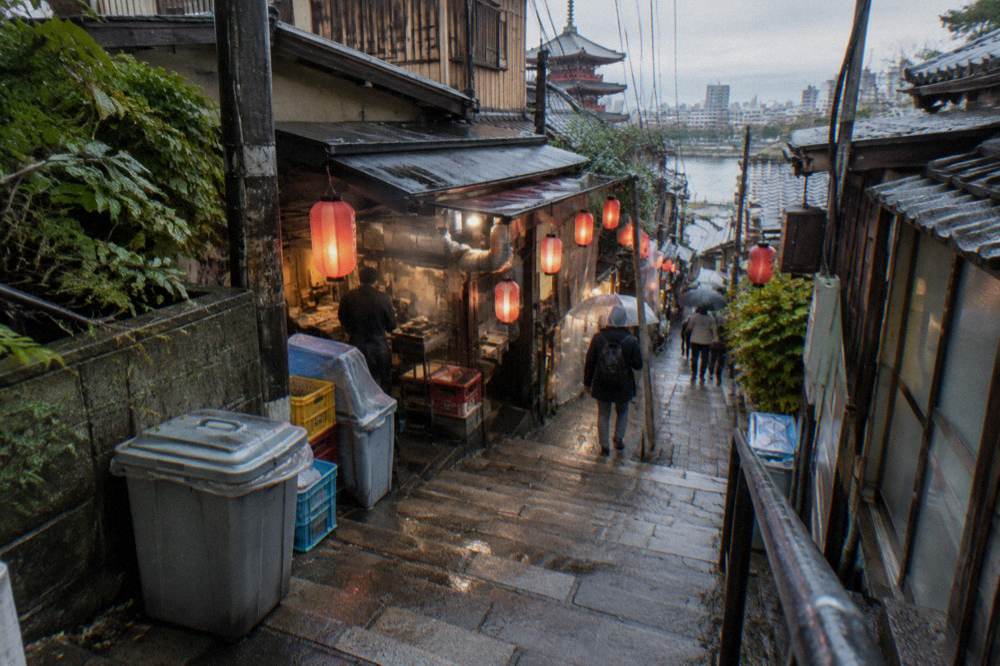
If you want the counter experience with the portion question handled for you, a guided eatery walk does the choosing. The Shinjuku local eateries walk runs 3 hours from $84.21 per person, 4.9 across 10,498 reviews, a maximum of 12 travellers, free cancellation, with a meal and drinks included; the small-group format spreads multiple small portions across several stops rather than stacking one enormous bowl in front of you. It is a different way to eat a lot without the waste risk of a single oversized order.
For choosing venues yourself, The Tokyo Food List maps 980+ Tokyo restaurants with what to order, price ranges and reservation difficulty, plus what sits within a 10-minute walk, all made to open on a phone and filter by neighbourhood. It exists for exactly this decision: matching appetite, budget and booking pressure before you are standing in front of a ticket machine at 9 p.m. wondering whether the large bowl is a mistake. Our earlier coverage of what a typical restaurant meal costs in Tokyo covers the money side of the same judgement.
To close the loop on the original worry: Best Restaurants Tokyo treats the unfinished-plate question as a minor one, and the city's own etiquette sources agree. Finish what you can, order the regular size, slurp your noodles without apology, and give up the seat when you are done. That combination covers nearly every situation a visitor will meet, and it replaces plate anxiety with the habits locals actually notice.
Common Questions About Not Finishing Food In Tokyo
Is It Rude In Japan To Not Finish Food?
No. Leaving a small amount of food is treated as ordinary in Tokyo rather than an insult. The manners that matter more are ordering sensibly, eating at the counter's pace and vacating the seat promptly, especially at busy ramen shops where turnover is fast.
Is it rude to slurp ramen in Tokyo?
No, slurping noodles is normal and expected at ramen counters. Etiquette guides treat it as part of the meal and pair it with the expectation that you eat at a reasonable pace and do not linger once finished.
What happens if I do not eat the otoshi at an izakaya?
The otoshi is a small appetiser that works as a per-person table charge, tied to the seat. Not finishing it does not remove the charge and is not read as rude; at some places it can be declined politely before eating, but often it stands regardless.
How do I avoid ordering too much at a ramen shop?
Order the regular size at the ticket machine first. Upsizing later is a simple choice at the same machine, while an unfinished large bowl helps nobody, and newer touch panels with photos and an English toggle make every size explicit before you pay.
Is it rude to leave broth in the bowl?
No, leaving some broth is common, particularly with rich tonkotsu styles that sit heavy on fat. Finishing the noodles and leaving liquid is unremarkable behaviour at Tokyo counters.
Should I take leftovers home instead of leaving them?
Takeaway is a genuine option at many shops and carries a lower tax rate than eating in, but small counters are built around fast sit-down turnover rather than boxing up bowls. The cleaner solution is ordering the regular portion in the first place.