Do Izakayas Allow Foreigners?
Yes, most Tokyo izakayas welcome foreign visitors. Here is what the record data, crowd labels and street rules actually say about access, menus and charges.
Do Izakayas Allow Foreigners?
Yes. The clear majority of Tokyo izakayas serve foreign visitors without any restriction, and the restaurants on this site reflect it: all 20 izakaya and yakitori entries among our 100 picks are labelled mixed crowd, meaning locals and visitors share the same counters. The obstacles that trip visitors up are practical ones, entry fees, ticket ordering and small seat counts, none of which are about nationality.
The question comes up constantly, and it usually traces back to two things travellers have heard: that some tiny Golden Gai bars turn outsiders away, and that ordering without Japanese is hard. Both are real but narrow. Golden Gai holds around 280 bars, many seating five or six people, according to GO TOKYO counts reported by The Japan Pro, and a handful of those bars do operate as members-only or regulars-only rooms. That is a small fraction of one neighbourhood, not a rule about izakayas generally.
The rest of the city is far more open. Every izakaya record on this site, from Kushikatsu Tanaka Higashi-Ginza Store in Ginza to Sakaba Totoya in Asakusa, is labelled a mixed crowd by the Food List, which derives its crowd labels from Google listings. A mixed label means the reviews and foot traffic reflect both Japanese regulars and foreign visitors. Not one of the 20 records carries a tourist-only or locals-only label.
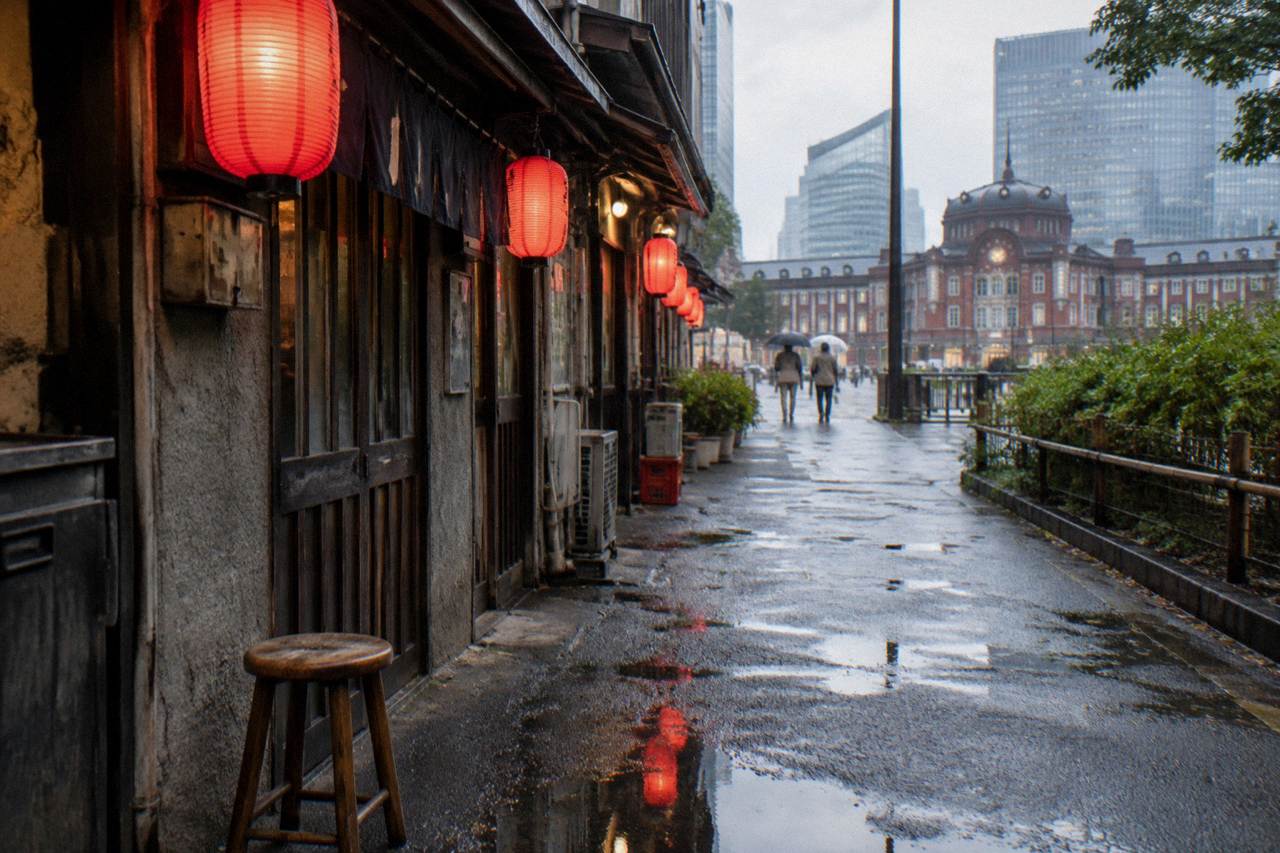
Where the question genuinely matters is in the older night districts. Omoide Yokocho near Shinjuku Station packs about 60 eateries into a few lanes, more than half of them yakitori or offal grills, according to the Izakaya Manual guide to the alley. Those counters seat a handful of people and turn over fast, so the friction is space and pace, not your passport.
For choosing specific places by booking difficulty and neighbourhood, our own guide, The Tokyo Food List, sorts 980+ Tokyo restaurants by reservation difficulty with booking links and Google Maps pins, and it is made to open on a phone and pick by neighbourhood.
What Do The Crowd Labels Say About Izakaya Access?
Across our 100 picks, the crowd labels point one way: izakaya and yakitori are the most reliably mixed categories. All 20 izakaya and yakitori restaurants carry the mixed label, against a sitewide split of 63 mixed, 30 local and 7 tourist. Booking pressure is the real differentiator, with 18 of the 20 labelled booking recommended. Once your table is booked, the guide to izakaya dining etiquette walks you through seating, the table charge, ordering rounds, and how to settle the bill.
The label is worth understanding before you read any table of restaurants. The Food List derives three crowd labels from Google listings: mixed, local and tourist. A local label does not mean foreigners are barred, it means the review pool skews Japanese, which often just reflects the neighbourhood. A tourist label signals English menus and coach-friendly seating rather than any judgment of quality.
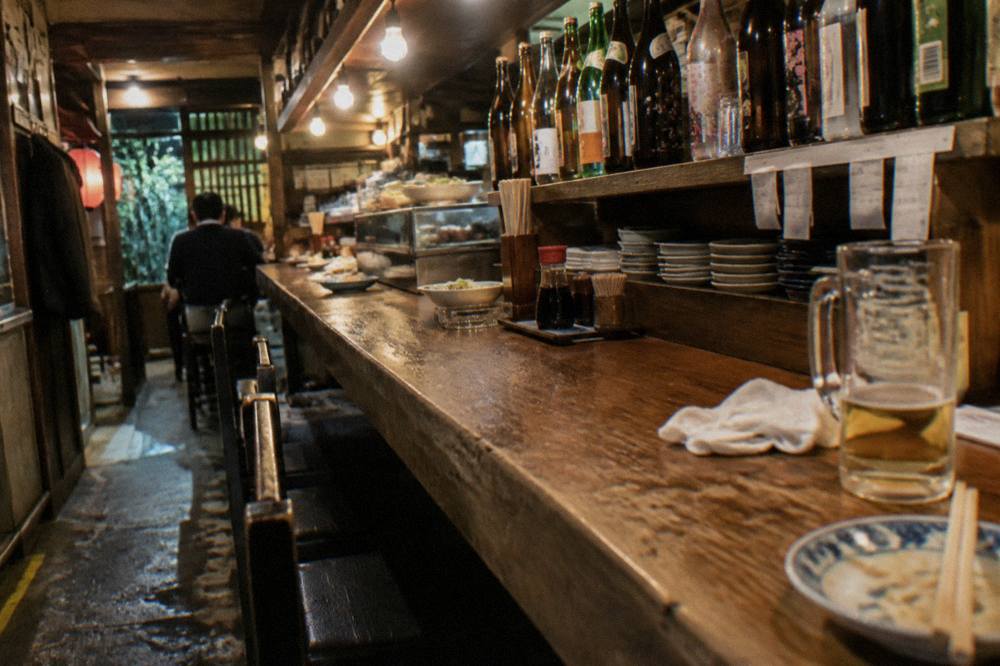
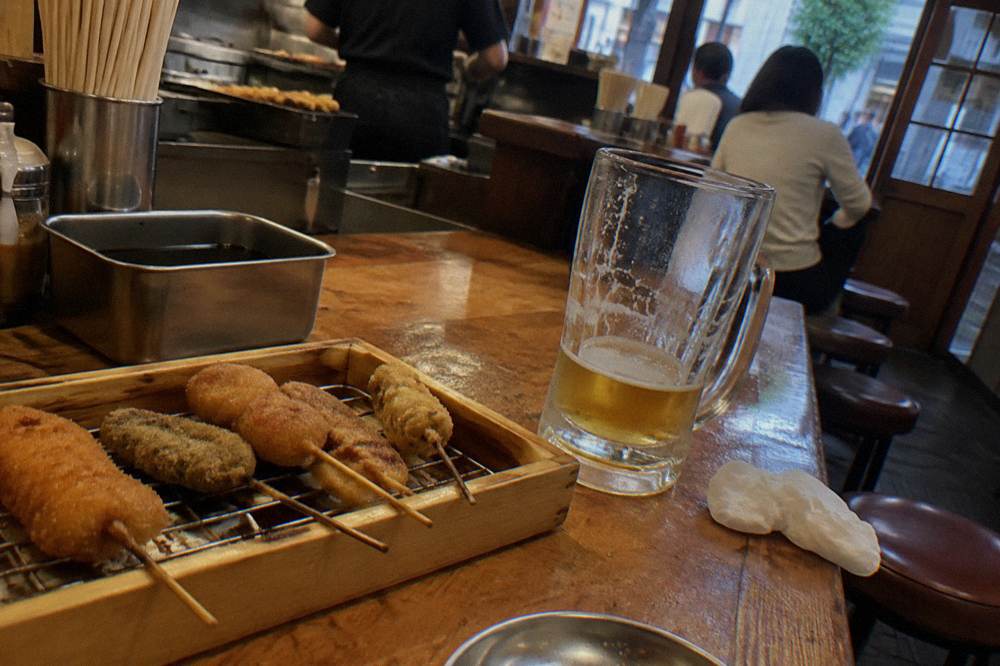
Izakaya sits in a sweet spot for visitors. Chains like the Kushikatsu Tanaka branches have photograph menus, counter seating and inexpensive price levels, which removes almost every barrier a first-time visitor faces. Kushikatsu Tanaka Higashi-Ginza Store holds 4.8 on Google across 4,494 reviews at an inexpensive price level, labelled booking recommended with a mixed crowd.
Here is how the 20 izakaya and yakitori restaurants on this site break down:
| Category | Records | Mixed crowd | Local crowd | Tourist crowd | Usually walk-in | Booking recommended |
|---|---|---|---|---|---|---|
| Izakaya | 12 | 12 | 0 | 0 | 2 | 10 |
| Yakitori | 8 | 8 | 0 | 0 | 0 | 8 |
| Total | 20 | 20 | 0 | 0 | 2 | 18 |
One pattern inside that table matters for planning: almost nothing in this category is walk-in. Two records carry the usually walk-in label, Sakaba Totoya in Asakusa and Yariki, an izakaya in Ueno. The other 18, including all eight yakitori records from Fukumimi Hanare to Kushiyaki Bistro Fukumimi Ginza, are labelled booking recommended, so an evening of spontaneous counter-hopping works better in the dedicated alley districts than at these specific addresses. For yakitori evenings beyond this street, The Tokyo Food List covers 980+ restaurants sorted by cuisine, with Google Maps pins and tourist favorites next to local spots.
A few standouts if you want a named starting point: Fukumimi Hanare in Shinjuku, 4.9 on Google across 2,688 reviews, moderate price level, with skewers, chicken meatball and tsukune among its order tags. IZUMO Asakusa Yokocho, 4.8 across 2,897 reviews and inexpensive, sits in a food-hall style setting that suits visitors who want variety without negotiating a tiny counter. Hinotori in Shinjuku, 4.8 across 2,403 reviews and inexpensive, lists sake, toro liver and potato salad as order tags.
What Are The Signs An Izakaya Welcomes Foreign Visitors?
Read the doorway and the entrance rather than the reviews. A photo menu, a vending machine with picture buttons, an English sign listing the cover charge, and staff who wave you in are the reliable welcome signals. A curtain drawn fully shut, a members-only sign or a staircase with no prices posted usually means the room is regulars-only, and walking away costs nothing.
Some of Tokyo's izakaya lanes publish their house rules openly. The Omoide Yokocho merchants association states plainly that some shops set a time limit of 90 minutes per group, some charge a table fee, and some require each customer to order one drink and one food item on entry, and it tells visitors to check before going in, as the association's guide sets out. A shop that posts those rules where you can see them is a shop that expects strangers, including foreign ones.
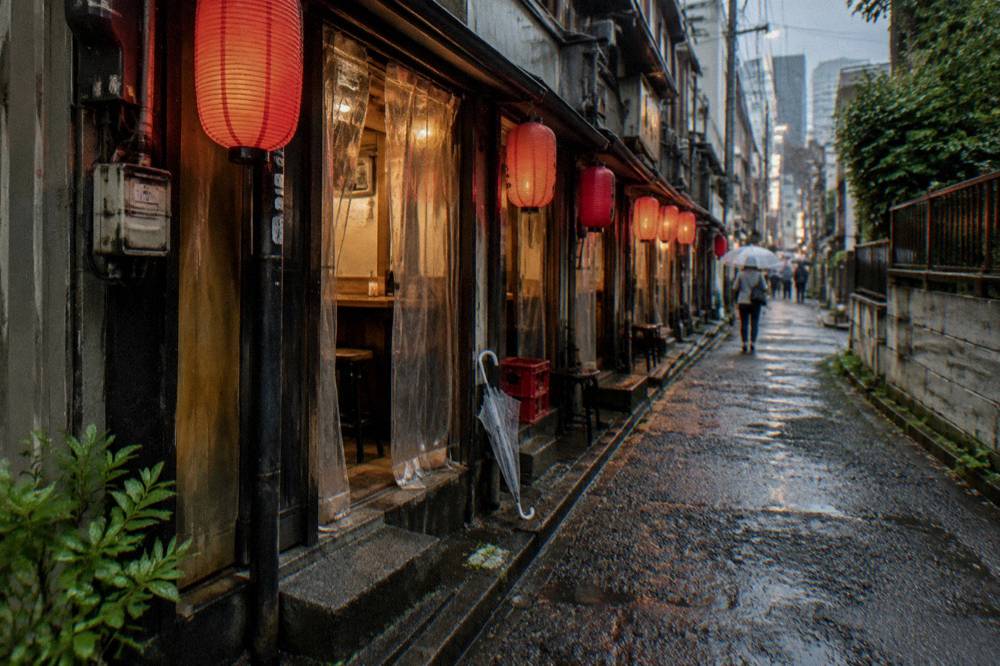
Golden Gai deserves its careful reputation. Its lanes are private roads, and photography or filming in the alleys requires permission from the business promotion association, with unauthorised filming potentially drawing fees or police involvement, as Japon en Espanol reports. Pointing a camera is the fastest way to wear out a welcome there. Put the phone away, order a drink and most doors stay open.
Cover charges are the other signal. The Izakaya Manual guide to Golden Gai notes that most bars there charge a seat or cover charge of roughly 500 to 1,500 yen per person, often posted on the door. A posted charge is honest and foreigner-friendly in effect, because you know the terms before you sit. An unposted charge is the thing to ask about, and the phrase "cover charge?" is understood almost everywhere in these districts.
| Signal at the entrance | What it usually means | What to do |
|---|---|---|
| Photo menu or picture ticket machine | Orders handled without Japanese | Go in |
| Cover charge posted on the door | Transparent terms, expect the fee | Pay it, it covers the seat |
| Curtain fully closed, no prices | Regulars-only room common in Golden Gai | Move to the next door |
| One-drink-one-dish rule sign | Entry condition set by the shop | Order both on seating |
| 90-minute limit sign | Table turnover policy | Order early, leave on time |
The cheapest insurance against misreading a doorway is a guided first night, and the Shinjuku bar hopping tour is built around exactly this: three hours, at most seven travellers, drinks and a full dinner included, from $109.35 per person, with free cancellation. It is rated 4.9 across 4,086 reviews, and a guide who knows which Golden Gai doors welcome strangers removes the guesswork entirely.
A guided night also sidesteps the otoshi question, which confuses plenty of first-time visitors. Otoshi is a small appetiser that arrives automatically at most izakaya and works as a per-person table charge, typically 300 to 500 yen and up to about 1,000 yen at nicer places, according to tokyo.how's guide to restaurant charges. It is not a scam aimed at foreigners. Japanese regulars pay it too, and it is tied to the seat rather than to who is sitting in it.
How Do You Order At An Izakaya Without Japanese?
Point, photograph and use the ticket machine. Picture menus are standard at chain izakayas, vending machines with photo buttons handle whole orders at many standing spots, and translation apps cover the rest. The one behaviour that actually causes friction is lingering after paying, since counter turnover in these places is fast by design.
Ordering mechanics differ by venue type. At a chain izakaya such as Tsukada Nojo Akihabara Chuo Dori, 4.7 on Google across 2,943 reviews, the menu arrives as a tablet or picture book and tapping works fine. Its order tags, pudding and chicken nanban, are exactly the kind of clearly photographed dishes that make a translation app optional. Tsumugido Shinjuku, 4.7 across 3,800 reviews and inexpensive, lists beef tongue, boiled tongue and drinkable gyoza, all items that appear on photo menus. The wider set of guides lives on Best Restaurants Tokyo.
The vending machine is the other system to know. At ramen-adjacent counters you buy a meal ticket from the machine by the entrance and hand it to staff when seated, a flow TripGuide.Tokyo describes in its etiquette guide. Cash goes in first, buttons light up, and the ticket does the talking. IC cards such as Suica or PASMO are accepted at all major convenience store chains and many fast-food chains, as JapanNook's payment guide notes, so the same card that got you on the train often buys the first beer.
| Situation | Fallback that works | Notes |
|---|---|---|
| Photo menu or tablet | Point or tap | Standard at chain izakayas |
| Ticket machine at entry | Insert cash, press photo button | Ticket replaces speech |
| Handwritten Japanese menu | Photograph it, translate, point | Works at yakitori counters |
| Omakase at the counter | Say omakase and let the chef choose | Regulars' method at grill alleys |
| No menu visible | Order a beer first, look again | Beer is universal, buys time |
That last row has a cultural tail. At Omoide Yokocho, most shops sell yakitori skewers in twos rather than singly, and saying omakase hands the choice to the counter, which is how most regulars order, according to the merchants association guide. Handing over the choice is not a language failure, it is the local way of doing it.
For a structured first pass at Shinjuku's food streets, the Shinjuku Local Eateries Walk covers three hours with at most 12 travellers, a meal and drinks included, from $84.21 per person, rated 4.9 across 10,498 reviews with free cancellation. It is a street-food walk rather than a bar crawl, which suits visitors who want to decode ordering systems before trying them alone.
If you would rather map your own route, our izakaya and yakitori guide covers the categories in depth, and The Tokyo Food List adds what to order at each address alongside reservation difficulty, sorted by neighbourhood so an evening plan can be built in a couple of taps.
What Should Foreign Visitors Know About Charges And Booking?
Three charges tend to catch visitors out: the otoshi appetiser that doubles as a per-person seat charge, cover fees at some Golden Gai style bars, and consumption tax, charged at 10 per cent on dine-in orders against 8 per cent on takeaway. Rather than chancing a counter seat, book the restaurants named on this page. Of the 20 izakaya and yakitori records here, 18 carry the booking recommended label; only two are usually walk-in.
The tax detail catches people at the register. Dine-in meals carry 10 per cent consumption tax while identical takeaway food is taxed at the reduced 8 per cent rate, and even convenience store food switches between the two rates depending on whether you use the eat-in area, as NIPPON VISA & LIFE explains. No izakaya bill is a surprise once you know that.
Booking is where the language question genuinely returns. English-friendly booking platforms exist, and guidance from NativeCall names three: Tabelog multilingual booking, which charges about 440 Japanese yen for each person and requires a card, OMAKASE at about 390 Japanese yen for each seat, and TableCheck, which often needs a card for holds or prepayment. Many top places still need a Japanese phone number or a Japanese speaker for phone-only booking, and hotel concierges can help. Tokyo.how notes that those fees are separate from the meal price and generally are not refunded if you cancel for your own reasons. Once your reservation is set, the next money question is what to hand over at the table, and our guide to where cash still beats card in Japanese restaurants walks you through it spot by spot.
For the records in this article, most booking buttons sit on the restaurants' own pages. Uomori Coredo Muromachi Terrace in Nihonbashi, 4.6 on Google across 3,501 reviews at a moderate price level, lists yuzu, taimeshi and ochazuke among its order tags and is labelled booking recommended with a mixed crowd. Zekkocho teppen in Shinjuku, 4.8 across 2,493 reviews, is the same label, with chub mackerel, grilled mackerel and grilled fish as its dish tags.
Smoking rules are worth one sentence before you choose a room. Indoor smoking in restaurants is prohibited by default under the Tokyo ordinance fully in force since April 2020, though small pre-existing owner-run shops of 100 square metres or less can apply for smoking-permitted status, and the street alleys of Golden Gai and Omoide Yokocho ban smoking outright. Look for the status sign at the door if it matters to you.
Can A Guided Night Replace Solo Izakaya Hopping?
For a first night in Tokyo, a guided tour solves the three problems solo hopping cannot: language at the counter, cover-charge surprises and knowing which doors welcome strangers. For every night after, the mixed crowd labels across this category say that walking in on your own is normal and expected. Use the guide once, then graduate.
The economics support starting guided. The bar hopping tour at from $109.35 per person includes a free-flow dinner and drinks for three hours in a group capped at seven, which at Tokyo izakaya prices is competitive with an independent night of ordering blind, and free cancellation removes the planning risk. Its 4.9 rating across 4,086 reviews reflects a well-trodden format rather than an experimental one.
Solo nights reward preparation more than courage. Pick two addresses rather than five, book the ones labelled booking recommended, keep cash and an IC card for machines, and photograph the cover-charge sign before sitting. Sakaba Totoya in Asakusa, one of two usually walk-in records here alongside the Ueno izakaya Yariki, sits at 4.7 on Google with mentaiko, aji fry and beef tendon stew among its order tags, and makes a forgiving first solo stop because the mixed crowd and walk-in label together mean strangers ordering slowly is ordinary.
For etiquette depth beyond ordering, the izakaya etiquette explainer covers seating, drinking pace and bill customs. The short version of access: yes, izakayas allow foreigners, they have simply been waiting for you to work the ticket machine. Best Restaurants Tokyo keeps the full booking-difficulty picture for every address in one place, and the alley doors of Shinjuku stay open late either way.
Common Questions About Izakayas In Tokyo
Do izakayas allow foreigners?
Yes. All 20 izakaya and yakitori spots among our 100 picks carry a mixed crowd label from their Google listings, and the only doors that commonly turn visitors away are a handful of members-only or regulars-only rooms in Golden Gai. Practical barriers like ticket machines and cover charges are about systems, not nationality.
Why do some Golden Gai bars refuse entry?
Golden Gai holds around 280 bars, many seating five or six people, and some operate as regulars-only rooms where strangers of any nationality are not admitted. The lanes are also private roads, so filming without the association's permission can cause trouble. Most bars simply post a cover charge and welcome anyone who pays it.
What is the otoshi charge on my izakaya bill?
Otoshi is a small appetiser served automatically at most izakaya and works as a per-person table charge, typically 300 to 500 yen according to tokyo.how, rising to about 1,000 yen at nicer places. Japanese regulars pay it too, and it is tied to the seat.
Do I need to book a Tokyo izakaya in advance?
Usually yes for named restaurants. Of the 20 izakaya and yakitori records in this article, 18 are labelled booking recommended and two are usually walk-in: Sakaba Totoya in Asakusa and the Ueno izakaya Yariki. Chain branches and alley counters are more forgiving, but weekend slots at popular addresses fill first.
Can I order at an izakaya if I do not speak Japanese?
Yes. Photo menus and tablets are standard at chains, vending machines sell whole meals by picture button, and translation apps cover handwritten menus. Saying omakase hands the choice to the counter, which is how regulars order in the grill alleys.
Is tipping expected at Tokyo izakayas?
No. Tipping is not customary in Tokyo restaurants, cafes, bars or taxis, and staff may return money left behind. Higher-end and hotel restaurants sometimes add an automatic service charge of 10 to 15 per cent instead, but that does not apply at a typical counter izakaya.